Doji Bara famine
Prolonged monsoon failures producing a devastating regional food crisis.
- When
- 1791–1792; wider crisis from the late 1780s
- Where
- Southern and western South Asia
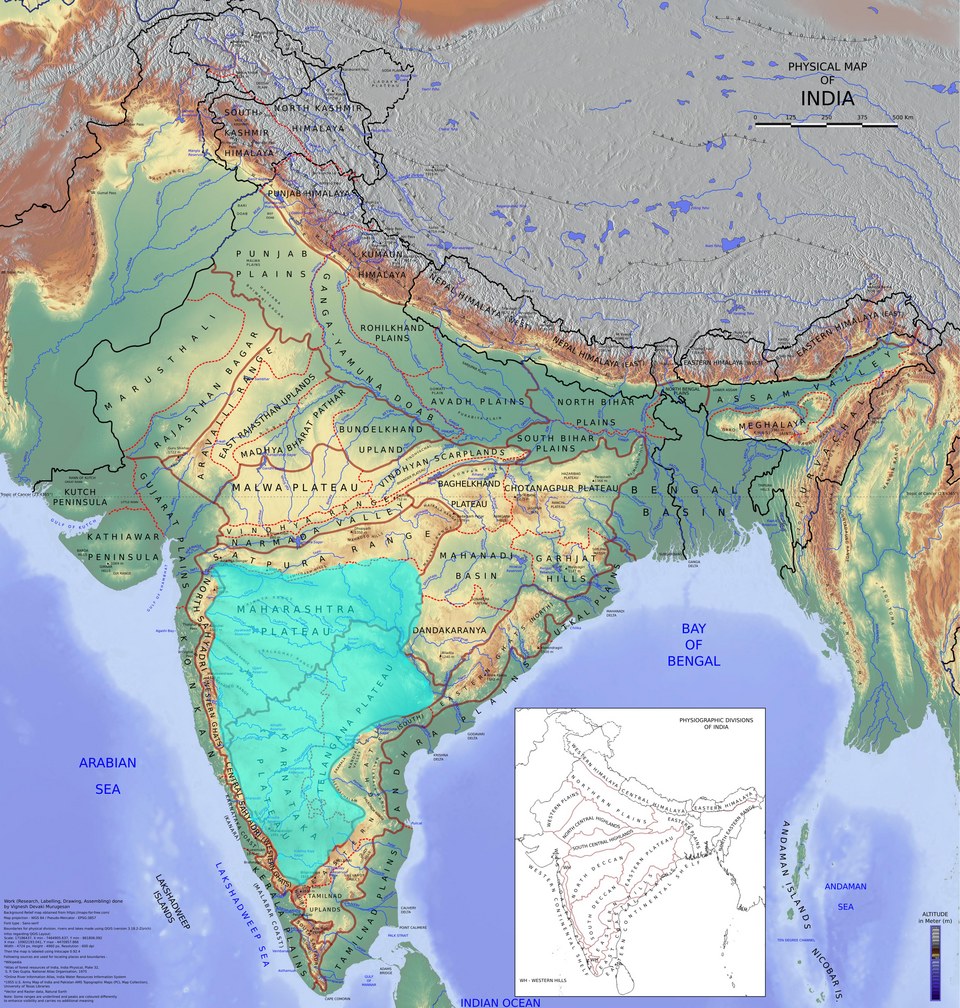
Prolonged monsoon failures producing a devastating regional food crisis. The famine developed during a wider period of climatic disruption associated with a major El Niño. Successive agricultural failures eroded reserves rather than allowing recovery between bad seasons.
Background
Repeated seasons of scarcity
The famine developed during a wider period of climatic disruption associated with a major El Niño. Successive agricultural failures eroded reserves rather than allowing recovery between bad seasons. Communities across the Deccan and neighbouring regions faced rising food prices, livestock losses and declining means of earning or growing food.[1]
What happened
- 1791–1792
Households lose access to grain
Reports describe extraordinary grain prices and widespread hunger. People sold possessions or migrated, while weakened bodies became vulnerable to disease. The name often translated as the skull famine conveys the catastrophe's place in historical memory, but does not by itself supply a numerical account of the dead.[1]
- During and after the crisis
Observation and uneven responses
Officials and observers recorded weather, prices and distress. Their records reflected different territories and administrative interests. Relief and food access varied, so the experience cannot be explained by assuming a single policy across all affected regions.[1]
Impact & evidence
Avoid an unqualified aggregate
Very large death estimates circulate for the wider late-18th-century famine sequence. They are not a dependable register of deaths in 1791–1792 alone. Village abandonment may include migration as well as mortality. A defensible account should preserve that uncertainty rather than assign the same aggregate to several distinct famines.[2]
Aftermath & legacy
The historical record of food insecurity
The crisis contributed to records linking weather, crop failure and social distress. Those observations are valuable, but climatic reconstruction does not replace analysis of purchasing power, conflict and relief. The famine demonstrates how repeated shocks can strip away the resources that might otherwise help a household survive one poor harvest.[1]
Sources & image credits (2)
PadFoot2008 · CC BY-SA 4.0 (source record). Resized for display. Image source ↗