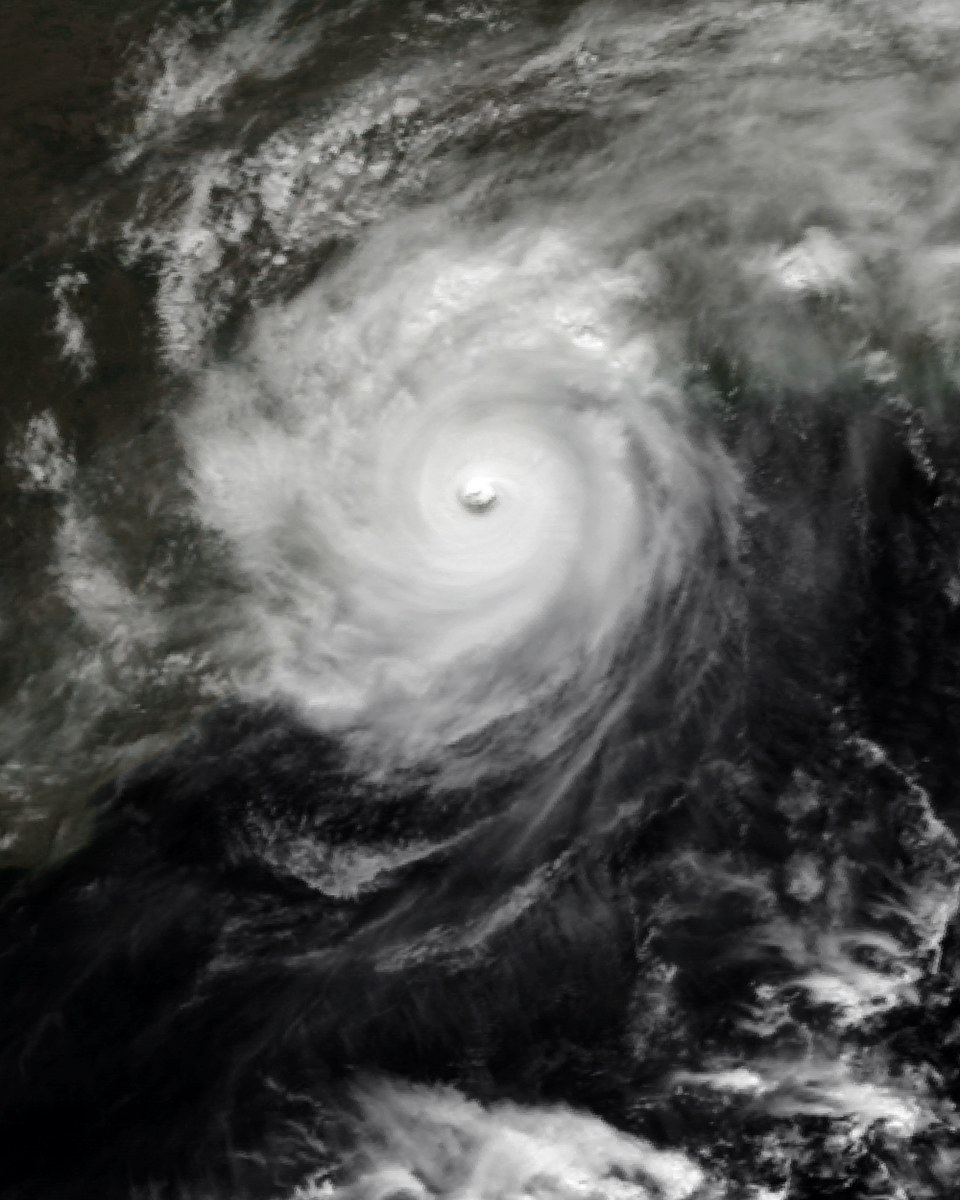
Cyclone Amphan in India and Bangladesh
Cyclone Amphan caused widespread destruction despite mass evacuations that reduced loss of life.
- When
- May 2020
- Where
- Eastern India and Bangladesh
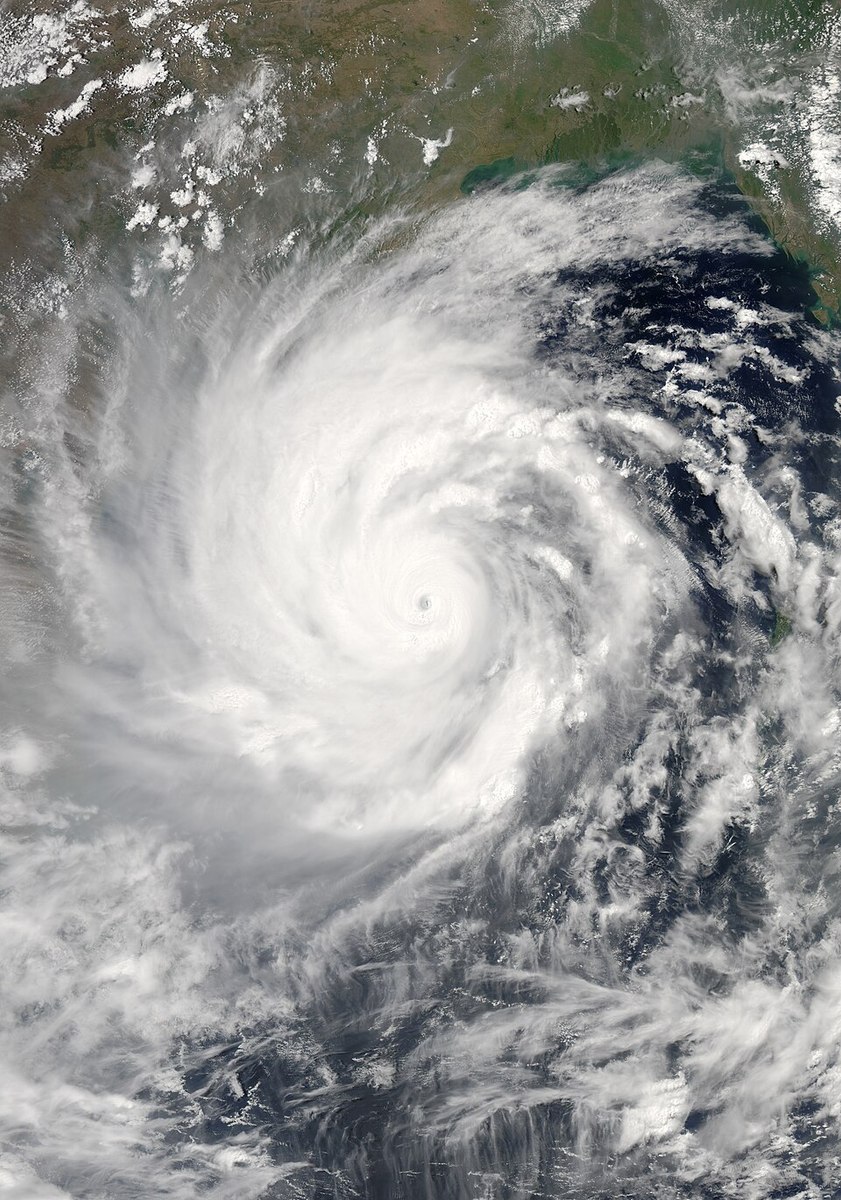
Cyclone Amphan caused widespread destruction despite mass evacuations that reduced loss of life.
Background
A dangerous storm during a pandemic
Forecasts warned of a powerful cyclone approaching densely populated coastal areas. COVID-19 complicated sheltering and evacuation because measures to protect people from the storm also had to consider infection risks.[2]
What happened
- May 2020
Forecasts enabled evacuation
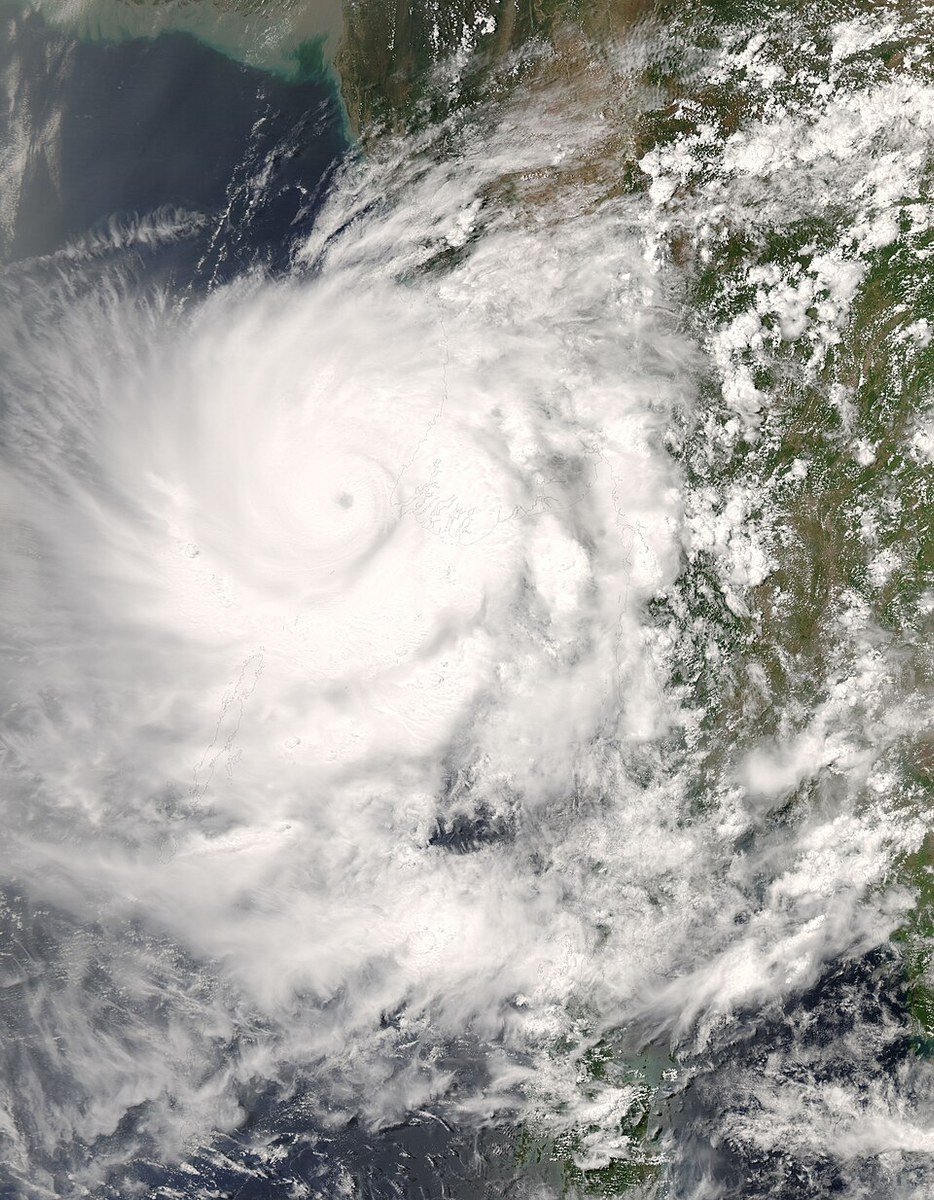
Authorities and communities moved more than three million people before impact, according to WMO. Severe winds, storm surge and rain nevertheless damaged homes, trees, power systems and agriculture, including areas around the Sundarbans.[2]
- May 2020
Shelter plans had to account for infection
Evacuating people into crowded shelters created additional difficulties during the COVID-19 pandemic. Forecast agencies, local authorities and volunteers had to communicate cyclone danger while arranging safer shelter use. The evacuation demonstrates why a warning only saves lives when transport, trusted communication and accessible places of refuge accompany it.[2]
Impact & evidence
More than a hundred reported deaths
Historical summaries record approximately 128 deaths across the countries affected by Amphan. Millions more were displaced or lost homes, crops and income. Warnings and evacuations limited deaths, but did not prevent extensive destruction in coastal communities and the Sundarbans.[1]
Aftermath & legacy
Preparedness reduced one part of the disaster
WMO highlighted the value of coordinated early warnings. That success did not make the destruction minor: recovery had to address damaged services and livelihoods amid a public-health emergency. Mortality reduction and economic devastation can both be true of the same event.[3]
Sources & image credits (3)
- Wikipedia — Cyclone Amphan ↗
- WMO: Amphan and early warnings ↗
- WMO: extreme weather in Asia during 2020 ↗
The National Aeronautics and Space Administration (NASA) · Public domain Image source ↗