Citizenship deprivation of Sri Lanka's plantation Tamils
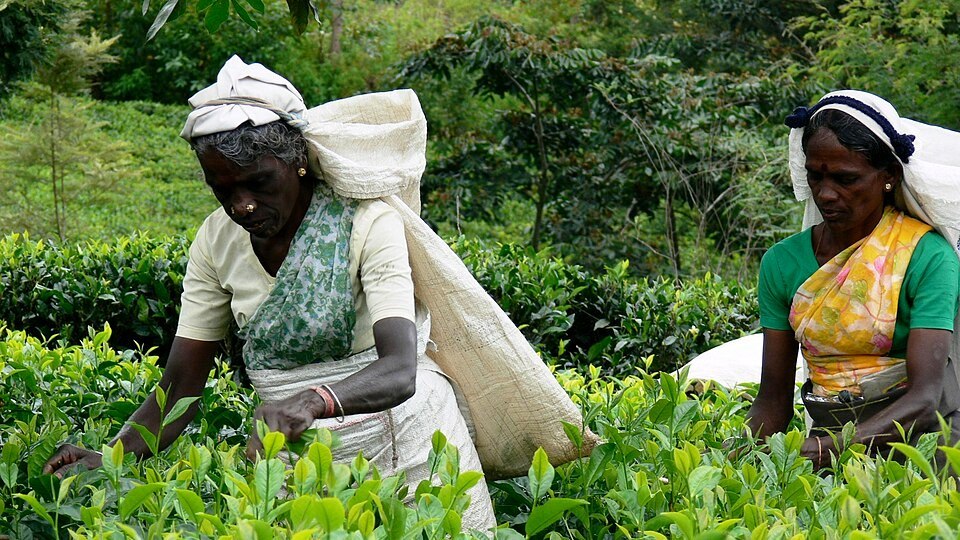
Generations of plantation Tamils excluded from citizenship and political rights.
- When
- 1948–2003 and implementation thereafter
- Where
- Sri Lanka
Generations of plantation Tamils excluded from citizenship and political rights.
Background
Independence and restrictive nationality rules
The Ceylon Citizenship Act of 1948 imposed requirements that many plantation workers of Indian origin could not satisfy. Families who had lived and worked on the island for generations were excluded from the new state’s citizenship framework. Subsequent electoral changes also stripped many of their voting rights.[1]
What happened
- 1949 onward
Disenfranchisement followed citizenship exclusion
The 1949 electoral changes removed voting rights from much of the plantation Tamil population. Workers who had helped elect representatives were consequently excluded from shaping the government that regulated their lives. The later repatriation agreements also divided families’ prospects between two countries despite their established ties to the island.[4]
- 1960s–1980s
Citizenship divided between states
Agreements between India and Ceylon apportioned people for Indian or Sri Lankan citizenship, with migration to India for many families. The arrangements treated a settled working population as a problem to distribute between governments. Implementation took years and left substantial numbers without secure nationality.[1]
- 2003–2004
A registration breakthrough
The new law was followed by mobile clinics, multilingual guidance and cooperation with workers’ organisations. UNHCR described close to 200,000 people receiving citizenship during a ten-day campaign. This was registration of rights for an existing population, not a new immigration programme.[2]
Impact & evidence
Everyday consequences
UNHCR reported an estimated 300,000 stateless people of Indian origin before the 2003 reform. Lack of nationality affected documentation and access to ordinary economic and civil rights. Statelessness was a legal condition, not proof that people had no longstanding home or community in Sri Lanka.[2]
Aftermath & legacy
Recognition required practical access
A further UNHCR campaign addressed people still struggling to obtain necessary documents. Public awareness and accessible registration mattered because passage of a law alone did not ensure that every eligible family could exercise its rights. The history therefore extends beyond the date of legislative reform.[3]