British abolition of the slave trade
Parliament outlawing British participation in the slave trade after sustained resistance and campaigning.
- When
- 1807
- Where
- Britain and its Atlantic trading networks
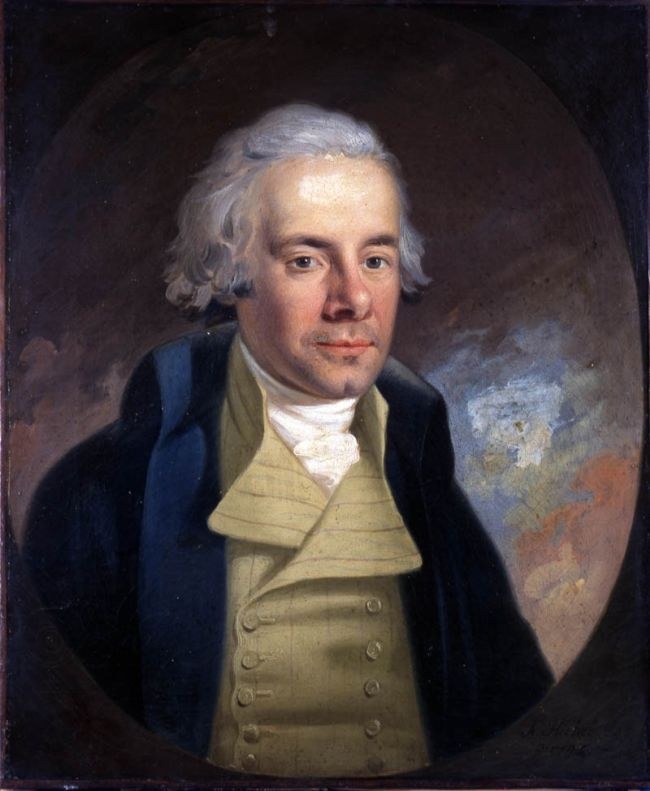
Parliament outlawing British participation in the slave trade after sustained resistance and campaigning. British merchants and ports were deeply involved in transporting enslaved Africans. Opposition grew through the resistance of enslaved people, testimony by Black abolitionists, religious organising, petitions and consumer boycotts.
Background
A profitable trade challenged
British merchants and ports were deeply involved in transporting enslaved Africans. Opposition grew through the resistance of enslaved people, testimony by Black abolitionists, religious organising, petitions and consumer boycotts. Parliamentary campaigning was one part of this wider struggle, not a benevolent decision detached from public pressure.[1]
What happened
- 1780s–1806
Repeated defeats and expanding pressure
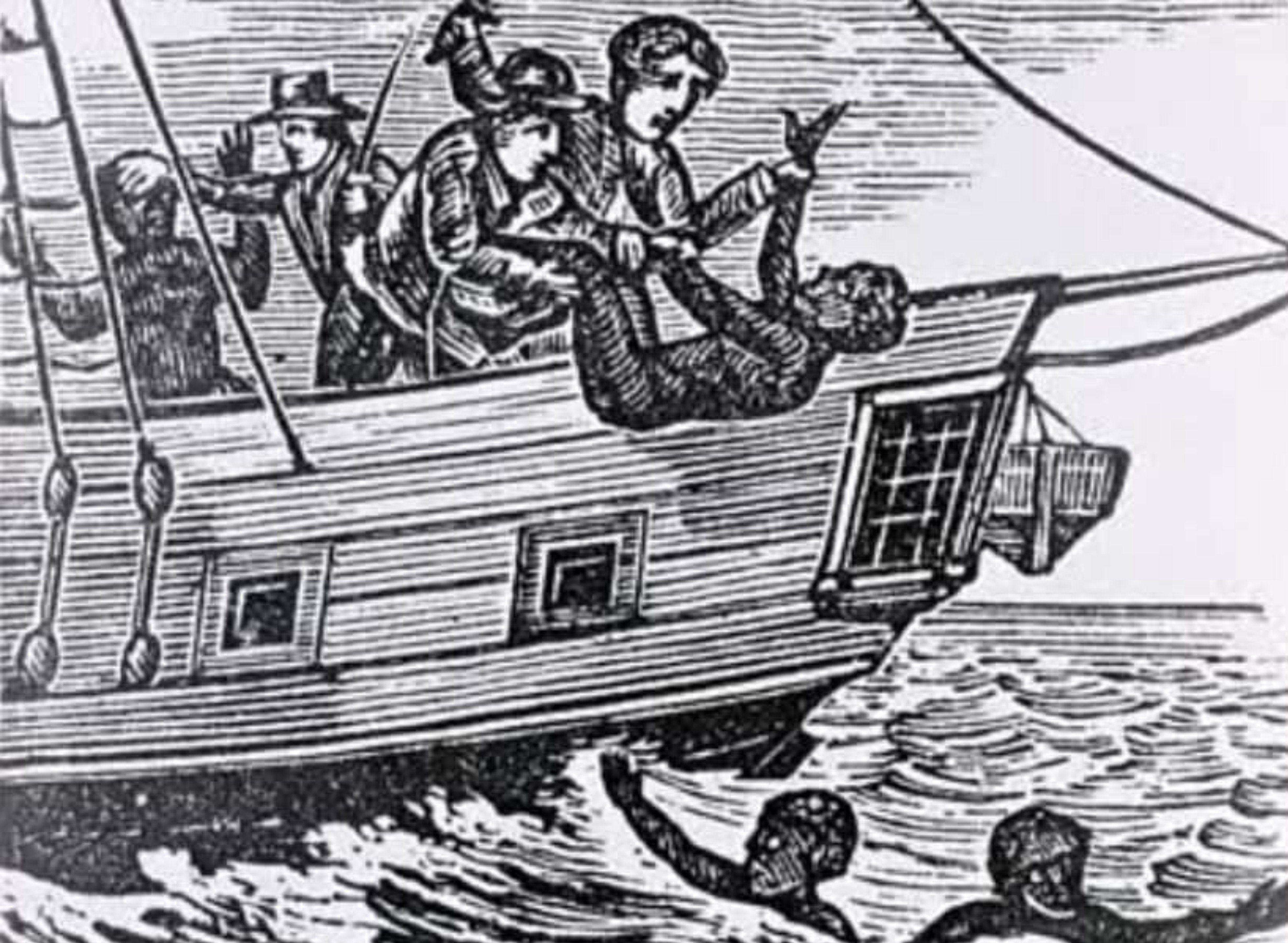
Abolition bills failed repeatedly despite evidence about the violence of capture and the Middle Passage. Campaigners gathered testimony and mobilised public opinion while defenders of the trade invoked property, commerce and imperial competition. Changes in political circumstances eventually made passage possible.[1]
- 1807
A prohibition with limits
The Slave Trade Act received royal assent on 25 March. It prohibited British participation in the Atlantic slave trade, but did not free people already enslaved. Enforcement and pressure on other trading states developed over subsequent years, and illegal trafficking continued.[1]
Impact & evidence
Different legal changes
The distinction between banning trafficking and ending slavery is fundamental. Plantation owners retained claims over enslaved workers after 1807. Later abolition legislation and the ending of apprenticeship were separate struggles. Treating 1807 as universal liberation erases the decades of coerced labour that followed.[2]
Aftermath & legacy
Resistance remained necessary
The act was an important defeat for a major commercial system, but its meaning must be assessed alongside the limits of implementation and Britain's continuing imperial interests. Black testimony and collective campaigning were central to the change. The history is more complete when it includes those who resisted enslavement as well as legislators who voted against the trade.[1]
Sources & image credits (2)
Anton Hickel · Public domain (source record). Resized for display. Image source ↗