Bihar food crisis and famine relief
Large-scale food imports and relief limited mortality, before officials condemned the expenditure as excessive.
- When
- 1873–1874
- Where
- Bihar and neighbouring districts of British India
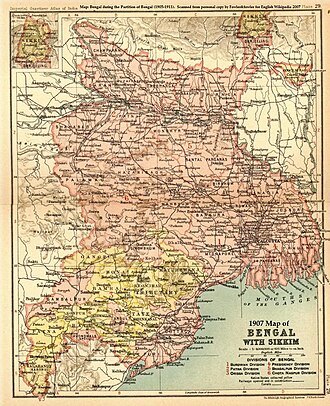
Large-scale food imports and relief limited mortality, before officials condemned the expenditure as excessive.
Background
Crop failure did not determine the outcome alone
Drought threatened harvests and food access in Bihar. The crisis required decisions about purchasing grain, transport, employment and assistance. Its outcome illustrates that severe crop failure need not inevitably become mass mortality when relief is provided early and at sufficient scale.[2]
What happened
- 1873–1874
Imports and organised assistance
The Bengal government imported rice from Burma and expanded relief. Richard Temple became closely associated with the response. Distribution and relief employment helped people obtain food rather than leaving survival entirely dependent on private purchasing power during scarcity.[1]
- 1876
Saving lives judged against cost
Parliamentary debate focused heavily on expenditure, grain stocks and accusations of administrative excess. These proceedings show the priorities of officials and critics; they do not make financial economy a neutral measure of humanitarian success.[3]
Impact & evidence
A comparatively successful response
The historical account in Environment & Society describes little or no mortality in the relieved Bihar famine. That assessment should not be stretched into a claim that every neighbouring district or concurrent crisis had no deaths. It identifies a contrast with later Indian famines, not a universal absence of suffering.[2]
Aftermath & legacy
A precedent rejected
Criticism of the expense helped encourage stricter relief thinking in subsequent crises. Bihar therefore matters within the history of colonial famines because it demonstrates a feasible alternative. The important question is not simply whether officials could intervene, but why the willingness to spend and protect lives changed.[2]
Sources & image credits (3)
- Wikipedia — Bihar famine of 1873–1874 ↗
- Environment & Society Portal: government responses to Indian famines ↗
- Hansard: debate on Bengal famine expenditure, 28 April 1876 ↗
Fowler&fowler at English Wikipedia Image source ↗