Berlin Conference
European powers setting rules for colonial claims in Africa without African representation.
- When
- 1884–1885
- Where
- Berlin, Germany; consequences across Africa
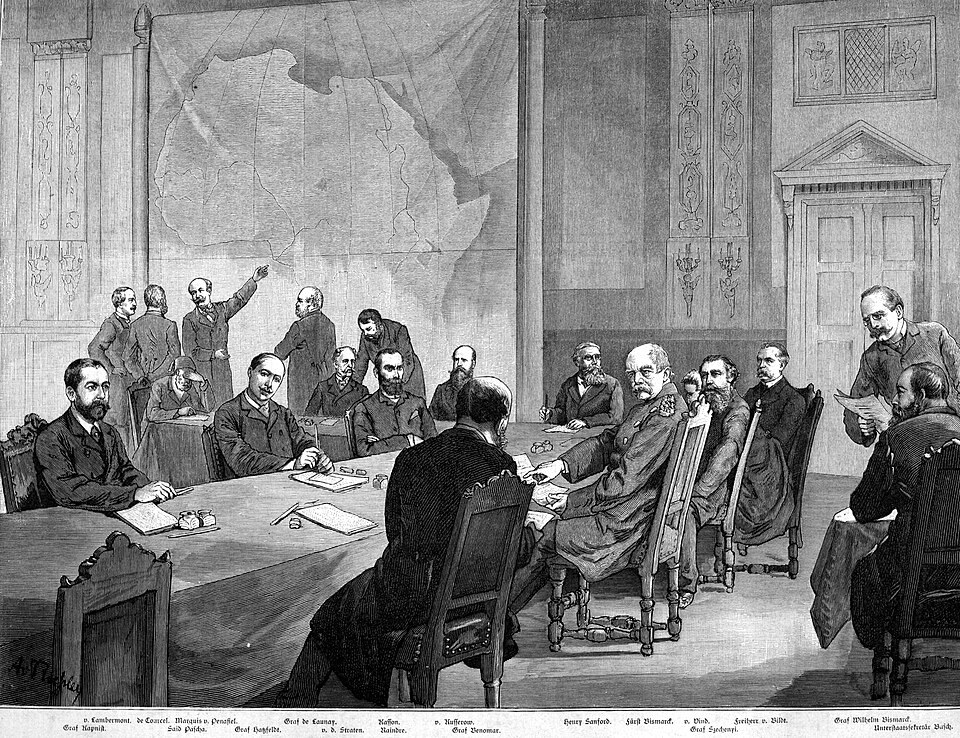
European powers setting rules for colonial claims in Africa without African representation. By the 1880s, European governments and trading companies were competing for African territory, ports and river access. African kingdoms and communities already governed the places being discussed, but none was represented at the conference.
Background
Rival empires and existing African states
By the 1880s, European governments and trading companies were competing for African territory, ports and river access. African kingdoms and communities already governed the places being discussed, but none was represented at the conference. German chancellor Otto von Bismarck hosted the negotiations between fourteen states, including the United States, from November 1884 to February 1885.[1]
What happened
- 1884–1885
Rules for external recognition
Delegates negotiated trade and navigation arrangements for the Congo and Niger basins. The General Act also established notification and effective-authority requirements for new coastal possessions. These were rules by which outside powers would recognise each other's claims; they did not make conquest consensual or give African inhabitants a voice over their political future.[1]
- After 1885
Expansion beyond the conference room
The meeting accelerated a process already under way. Military campaigns, commercial concessions and subsequent bilateral agreements established colonial boundaries over the following decades. The familiar image of delegates drawing every modern African border at a single meeting is misleading: partition depended on later coercion and negotiation as well as the framework established in Berlin.[1]
Impact & evidence
Promises and the colonial reality
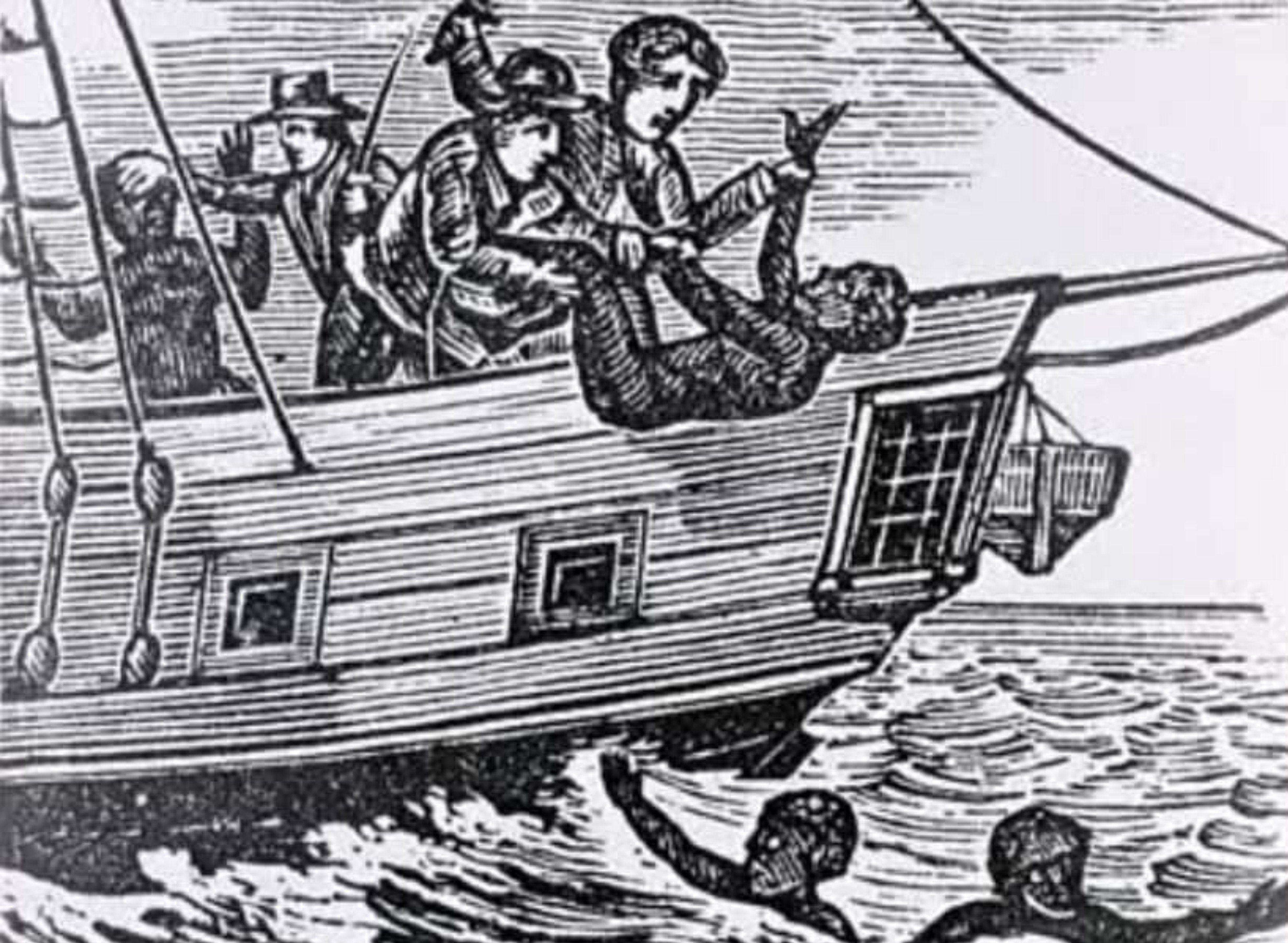
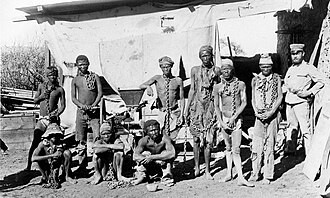
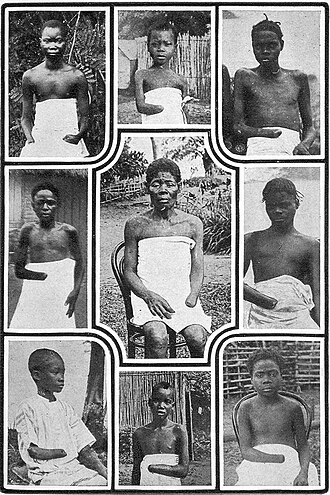
The act used humanitarian language about welfare and suppression of the slave trade. Those commitments coexisted with a framework that privileged imperial acquisition. Forced labour, violent occupation and extractive government followed in many colonies. Their victims cannot be collapsed into a single death toll attributed to the conference itself; each colonial system requires its own evidence.[2]
Aftermath & legacy
An enduring diplomatic exclusion
Berlin became a symbol of decisions about African sovereignty being made without Africans. Its importance lies both in the text that survives and in whose authority the negotiating system recognised. Reading the agreement alongside the subsequent history of conquest reveals the distance between its stated protections and the experience of colonised populations.[1]
Sources & image credits (2)
Adalbert von Roessler · Public domain (source record). Resized for display. Image source ↗