Bangladesh floods
Prolonged river flooding overwhelmed settlements, agriculture and transport across much of Bangladesh.
- When
- 1988 monsoon season
- Where
- Bangladesh
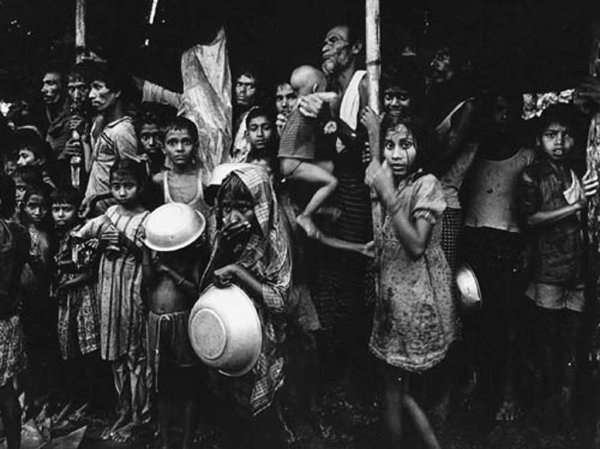
Prolonged river flooding overwhelmed settlements, agriculture and transport across much of Bangladesh.
Background
A delta accustomed to seasonal water
Bangladesh's floodplains depend on rivers, but exceptionally extensive inundation can overwhelm homes, crops and services. The difference between productive seasonal flooding and disaster depends on depth, duration, timing and people's capacity to cope.[1]
What happened
- 1988
Floodwater disrupted daily survival
Large areas remained inundated, isolating communities and damaging harvests and infrastructure. Displaced households needed food, clean water and shelter while ordinary routes to markets and medical care were interrupted.[2]
Impact & evidence
About 2,379 reported deaths
A historical table in an Asia-Pacific Network report gives 2,379 deaths for the 1988 floods. The number of people whose homes, crops or livelihoods were affected was much larger. Lost crops and assets prolonged hardship after water levels fell.[3]
Aftermath & legacy
Recovery and flood-management debates
The disaster prompted renewed arguments about embankments, drainage, forecasting and assistance. Flood control alone could not answer every problem in an inhabited delta. Recovery required restoring livelihoods and considering who gained or lost protection from major interventions.[2]
Sources & image credits (3)
- Wikipedia — 1988 in Bangladesh ↗
- UNDRR PreventionWeb: recovery in Bangladesh ↗
- Asia-Pacific Network: historical Bangladesh flood data ↗
Shahidul Alam / Side Gallery · Copyright retained by the rights holder Image source ↗