Dutch conquest of the Banda Islands
A nutmeg monopoly imposed through massacre, enslavement and the destruction of Bandanese society.
- When
- 1621
- Where
- Banda Islands, present-day Indonesia
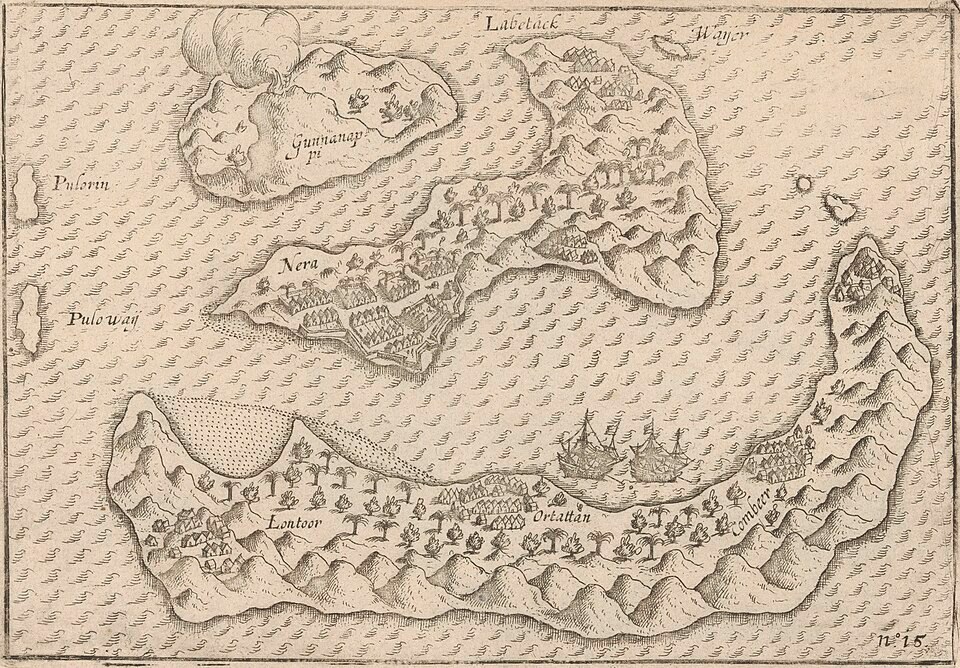
A nutmeg monopoly imposed through massacre, enslavement and the destruction of Bandanese society. The Banda Islands were a principal source of nutmeg and mace. Bandanese communities traded with several partners, while the Dutch East India Company sought exclusive access at prices it controlled.
Background
A valuable crop and competing traders
The Banda Islands were a principal source of nutmeg and mace. Bandanese communities traded with several partners, while the Dutch East India Company sought exclusive access at prices it controlled. Company demands conflicted with local commercial independence. Earlier confrontations and disputed agreements became the justification for an increasingly violent attempt to impose a monopoly.[1]
What happened
- 1621
Coen's invasion
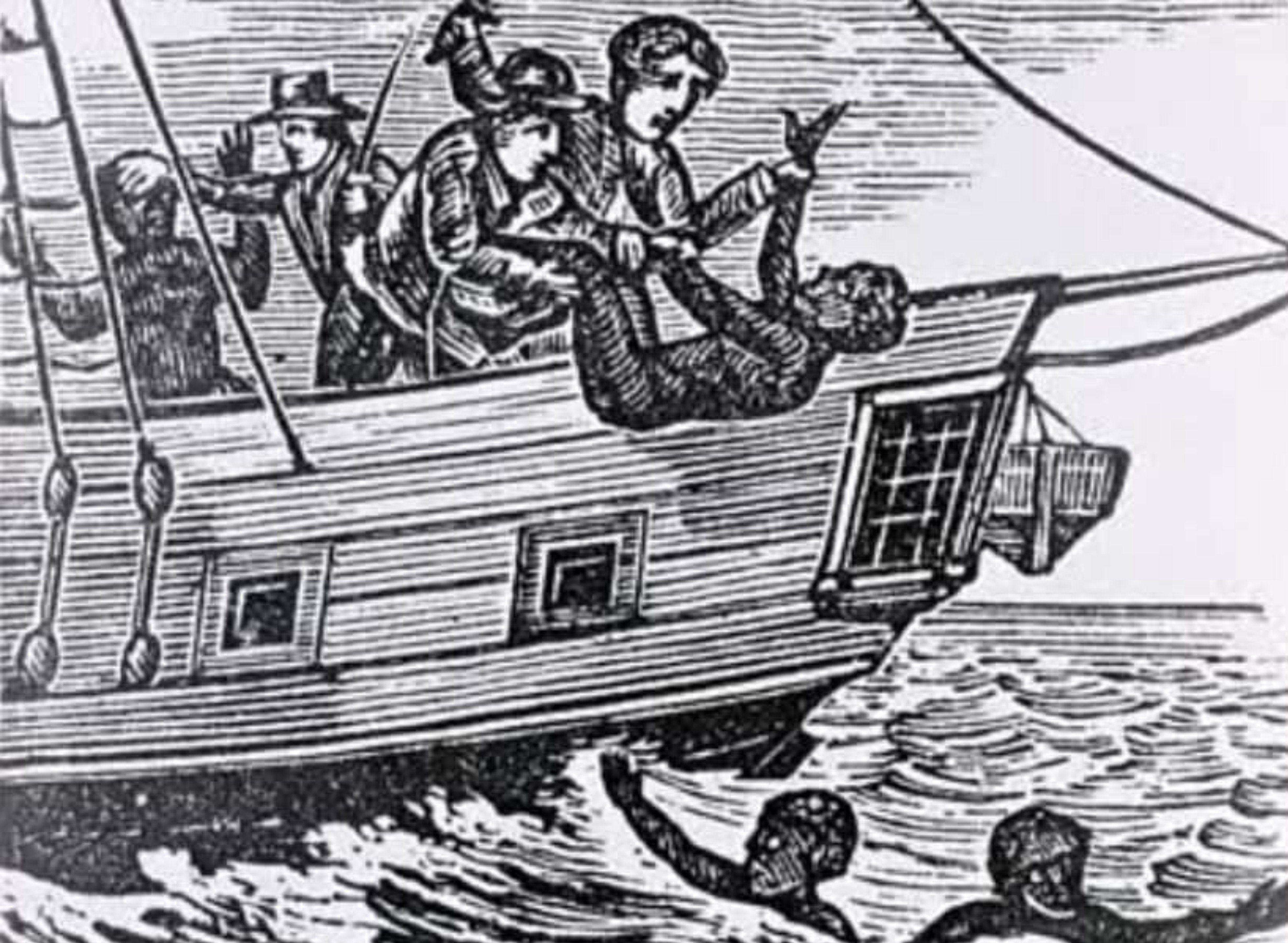
Governor-general Jan Pieterszoon Coen led a military expedition against the islands. Dutch forces occupied settlements and accused local leaders of conspiracy. Executions, the pursuit of people who fled, and the destruction of communities made the campaign much more than the replacement of one trading arrangement by another.[1]
- 1621 and afterward
Deportation and a new plantation order
Survivors were deported, enslaved or driven to seek refuge elsewhere. The Company reorganised nutmeg production into plantation holdings worked largely by enslaved people brought from other places. Production continued, but under a system created by removing or subordinating the inhabitants whose trade had sustained the islands.[1]
Impact & evidence
Depopulation was not a single category of death
Historical estimates describe a catastrophic reduction in the Bandanese population. Killings, flight, deportation, disease and starvation all contributed. A before-and-after population difference should therefore not be presented as a precise count of people executed. The surviving Company record documents policy and violence but does not provide a complete register of victims.[2]
Aftermath & legacy
A monopoly remembered through its human cost
Dutch archival and museum accounts now confront the violence underlying the spice trade. Bandanese survival and diaspora are also part of the history: the islands were not simply an empty setting for European commerce. The case connects consumer demand and corporate power to the organised destruction of a trading society.[1]
Sources & image credits (2)
Rijksmuseum · CC0 (source record). Resized for display. Image source ↗