Algerian independence
A prolonged struggle ending French colonial rule in Algeria.
- When
- 1954–1962; independence in July 1962
- Where
- Algeria and France
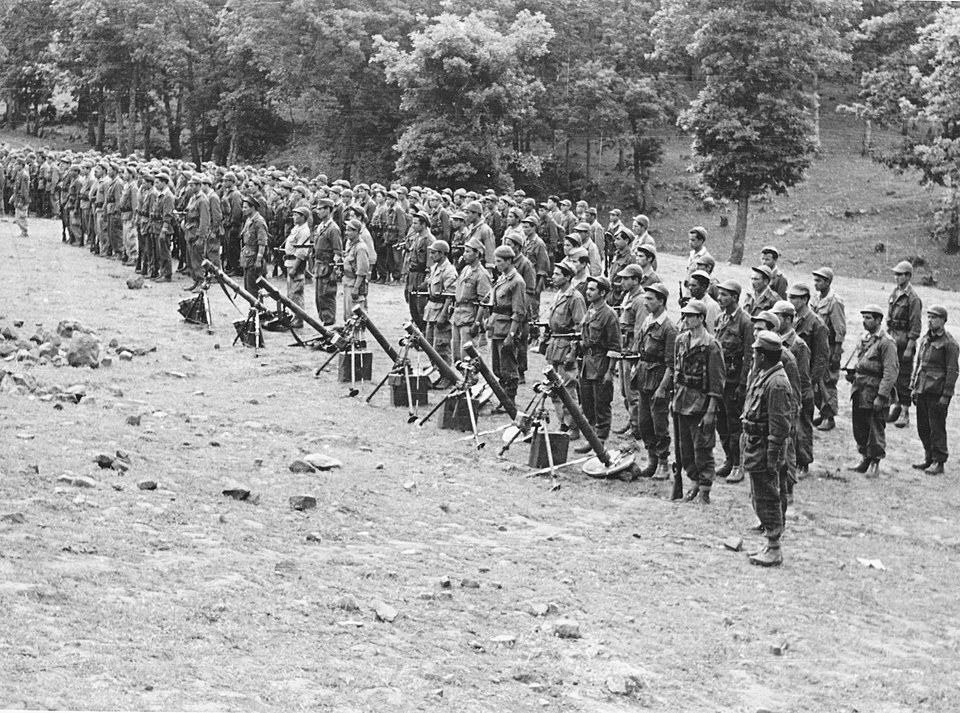
A prolonged struggle ending French colonial rule in Algeria. French conquest had produced a society marked by land dispossession, political inequality and a powerful European settler population. Earlier reform efforts and nationalist movements faced repression.
Background
A settler colony with unequal rights
French conquest had produced a society marked by land dispossession, political inequality and a powerful European settler population. Earlier reform efforts and nationalist movements faced repression. The National Liberation Front launched an armed struggle in November 1954, seeking independence rather than another adjustment within French rule.[1]
What happened
- 1954–1961
War in communities and cities
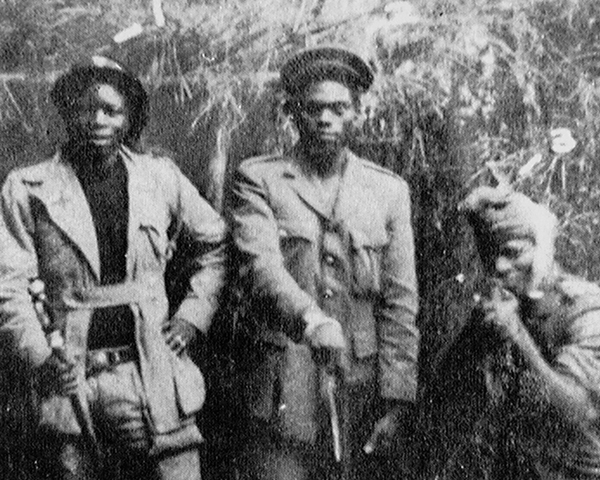
The conflict involved guerrilla warfare, urban attacks, torture, detention and forced resettlement. Violence also occurred between rival nationalist groups and against civilians. The French state committed substantial military resources, while the war destabilised politics in metropolitan France.[1]
- 1962
Agreement and independence
Negotiations produced the Évian agreements and a ceasefire in March. Violence nevertheless continued, including attacks by opponents of independence. Referendums and recognition led to sovereignty in July. The transition also brought the departure of much of the European settler population and violence against people associated with French forces.[1]
Impact & evidence
Different populations and periods
Estimates of Algerian deaths vary greatly, with scholarly figures in the hundreds of thousands and higher official Algerian claims. Counts differ in their inclusion of civilians, combatants and indirect deaths. A single exact figure would conceal major evidentiary disagreements; displacement, torture and ruined livelihoods were additional harms.[2]
Aftermath & legacy
The end of colonial rule was not the end of conflict
Independence restored national sovereignty after 132 years of French domination, but competing leaders and unresolved wartime divisions shaped the new state. Memory of torture, civilian killings and displacement remained contentious in both countries. The political achievement and the means through which the war was fought both require sustained examination.[1]
Sources & image credits (2)
Zdravko Pečar · CC BY-SA 4.0 (source record). Resized for display. Image source ↗