Vesuvius eruption and the burial of Pompeii
An eruption that buried Roman settlements and preserved exceptional evidence of daily life alongside the victims' remains.
- When
- 79 CE
- Where
- Bay of Naples, Roman Italy
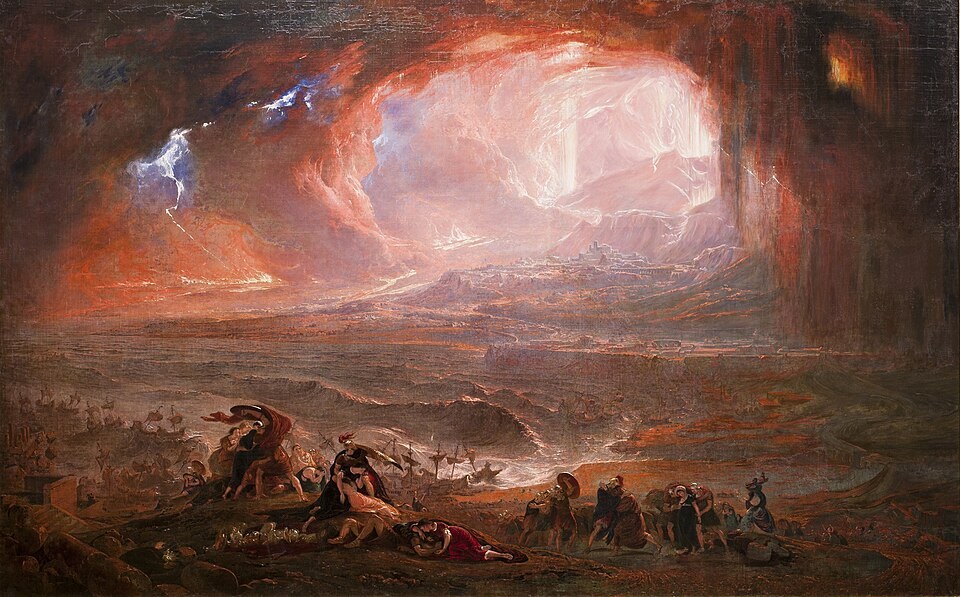
An eruption that buried Roman settlements and preserved exceptional evidence of daily life alongside the victims' remains. Pompeii, Herculaneum and surrounding settlements occupied a productive landscape near Vesuvius. Earlier earthquakes had damaged the region, but residents lacked a modern understanding of the volcano's behaviour.
Background
Communities beside a volcano
Pompeii, Herculaneum and surrounding settlements occupied a productive landscape near Vesuvius. Earlier earthquakes had damaged the region, but residents lacked a modern understanding of the volcano's behaviour. The population included people with very different resources and opportunities to leave.[1]
What happened
- 79 CE
Pumice and ash fall
A tall eruption column deposited pumice and ash, loading roofs and obstructing movement. Some residents escaped while others sheltered or attempted to flee later. The traditional August date is disputed by archaeological evidence suggesting an autumn eruption; the year is secure.[1]
- Later eruption phases
Hot currents overwhelm settlements
Pyroclastic currents carried hot gas, ash and debris across the landscape. Pompeii and Herculaneum experienced different sequences of burial, but both suffered lethal conditions. The disaster was not primarily a slow lava flow against which people could simply walk away.[1]
Impact & evidence
The complete toll is unknown
Pompeii's archaeological authority reports remains of more than a thousand victims found there. Those finds are not the total deaths across the affected region. Casts preserve spaces left by decomposed bodies in hardened deposits; they are powerful evidence but do not reveal every person's final actions with certainty.[2]
Aftermath & legacy
Preservation and interpretation
Excavation exposed houses, shops, writing and objects that transformed knowledge of Roman life. It also created responsibilities toward human remains and fragile buildings. The site's historical value should not turn the people killed into anonymous scenery or imply that the catastrophe preserved a complete, unchanging snapshot.[1]
Sources & image credits (3)
- Wikipedia — Eruption of Mount Vesuvius in 79 AD ↗
- Archaeological Park of Pompeii — The casts ↗
- Archaeological Park of Pompeii — After the eruption ↗
John Martin · Public domain (source record). Resized for display. Image source ↗