Mount Pelée and the destruction of Saint-Pierre
A fast-moving current of hot gas and volcanic debris destroying Saint-Pierre and killing roughly 30,000 people.
- When
- 8 May 1902
- Where
- Martinique, Caribbean
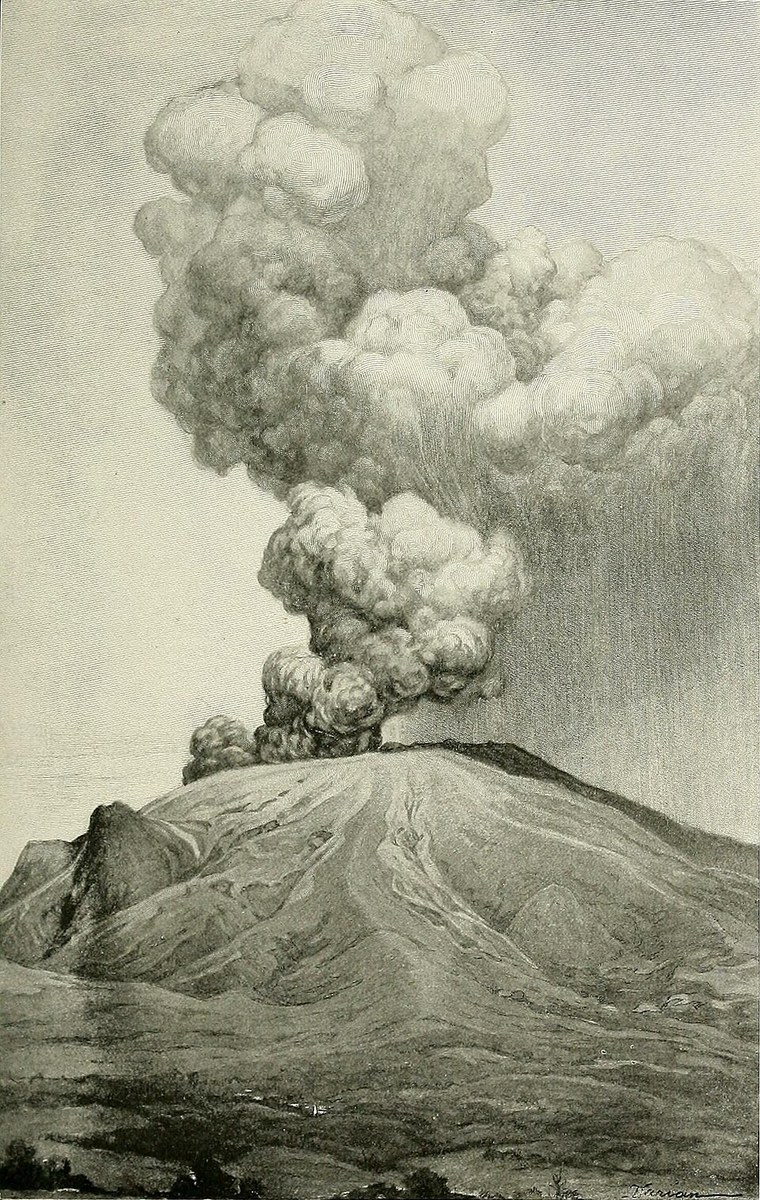
A fast-moving current of hot gas and volcanic debris destroying Saint-Pierre and killing roughly 30,000 people. Saint-Pierre was an important town in French-administered Martinique. Increasing volcanic activity brought ash, fear and conflicting assessments of danger.
Background
A city beneath an awakening volcano
Saint-Pierre was an important town in French-administered Martinique. Increasing volcanic activity brought ash, fear and conflicting assessments of danger. Some people moved toward the town seeking safety, while uncertainty and official reassurance complicated decisions about leaving.[1]
What happened
- April–May 1902
Warning signs intensify
Explosions and ashfall increased, and volcanic material affected surrounding areas. The activity did not provide residents with a simple timetable for catastrophe. Decisions depended on interpretation, communication and the practical ability to evacuate a substantial population.[1]
- 8 May 1902
Saint-Pierre is overwhelmed
A pyroclastic current descended rapidly from Mount Pelée toward the town. Extreme heat and violent gas and debris destroyed buildings and killed almost everyone in its path. Ordinary shelter offered little protection against this combination of speed, temperature and force.[1]
Impact & evidence
A near-total urban loss
USGS lists approximately 30,000 deaths for the disaster. The figure is an estimate rather than a complete enumeration. A few survivors became famous, but their exceptional survival should not obscure the wider population or encourage a literal claim that exactly one person escaped.[2]
Aftermath & legacy
Understanding pyroclastic hazards
Study of the eruption helped explain the devastating behaviour of hot volcanic currents. Its history also raises questions about warnings and evacuation under uncertainty. The lesson is not that every sign predicts an exact outcome, but that official confidence can be dangerous when the consequences of error are extreme.[1]
Sources & image credits (2)
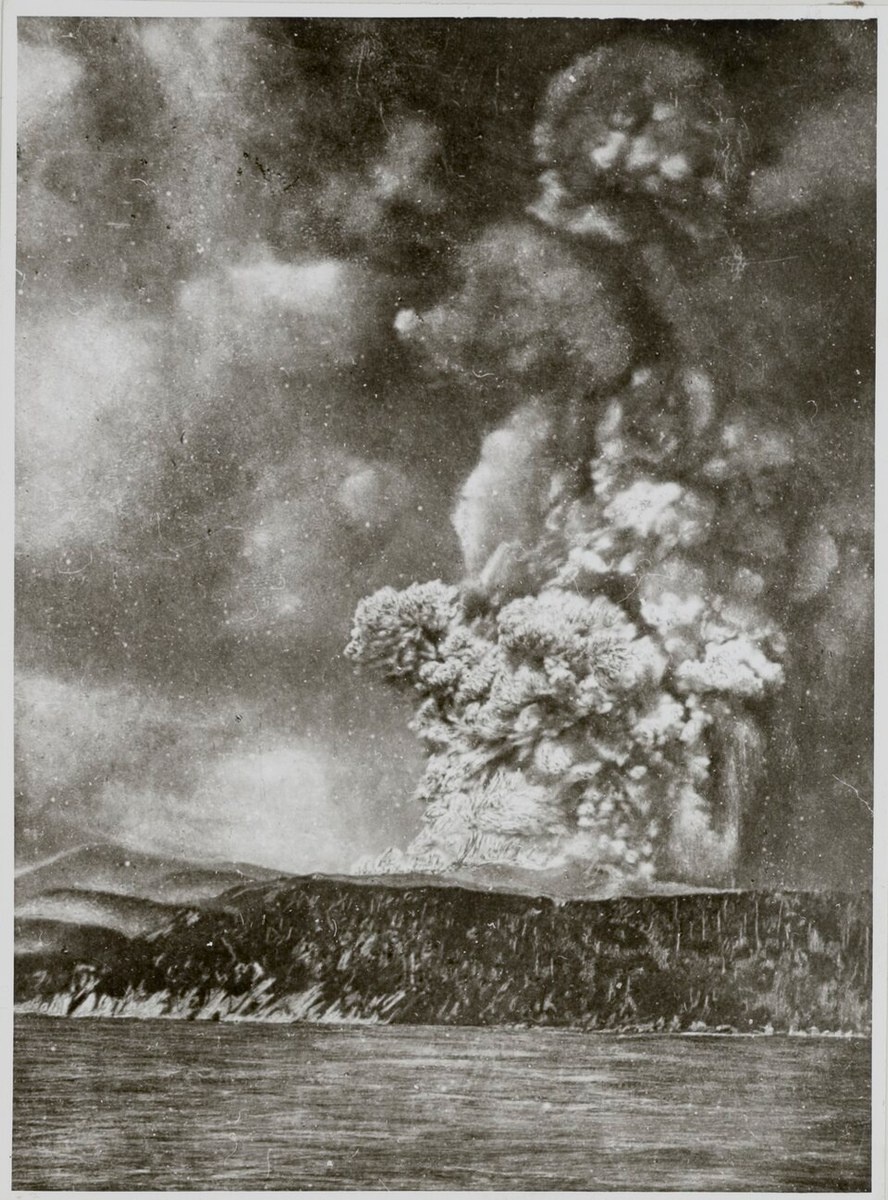
Historical photograph reproduced in National Geographic, 1902; digitised by Internet Archive/Biodiversity Heritage Library. · No restrictions (source record). Resized for display. Image source ↗