Treaty of Tlatelolco
The Treaty of Tlatelolco established a nuclear-weapon-free framework across a populated region.
- When
- 1967 onward
- Where
- Latin America and the Caribbean
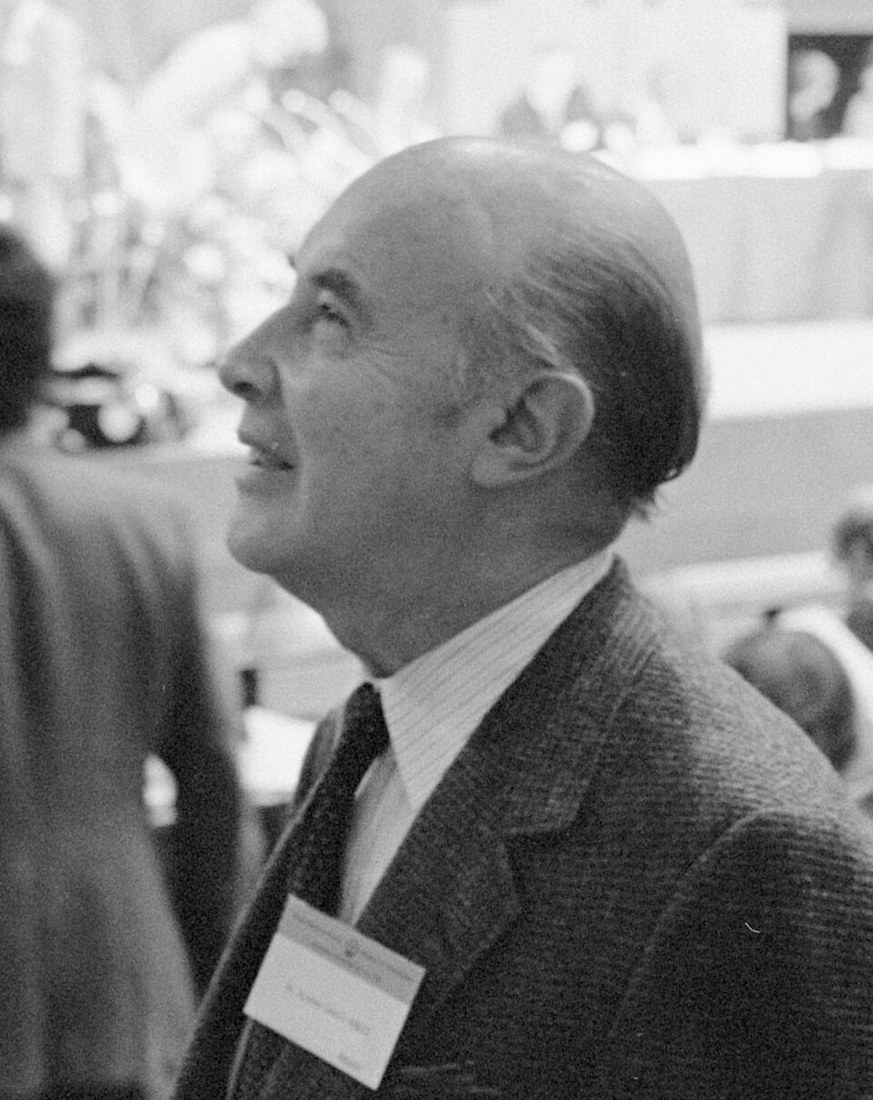
The Treaty of Tlatelolco established a nuclear-weapon-free framework across a populated region.
Background
Regional action after the Cuban Missile Crisis
The 1962 confrontation exposed Latin America and the Caribbean to the danger of nuclear war between external powers. Regional governments pursued an agreement to prevent nuclear weapons from becoming a permanent feature of their territory.[1]
What happened
- 14 February 1967
The treaty opens for signature
Negotiators completed the agreement in Mexico City. It prohibited the development, acquisition, testing and deployment of nuclear weapons within its framework. OPANAL was created to support implementation, while safeguards and reporting formed part of the control system.[3]
Impact & evidence
Protocols mattered
Additional protocols addressed states with territories in the region and the nuclear-weapon powers. Their involvement was important because a regional prohibition alone could not remove every threat posed from outside. Signature, ratification and implementation occurred over time rather than instantly across all countries.[2]
Aftermath & legacy
A model for other regions
The treaty showed that states without dominant military power could shape nuclear rules collectively. It became an important precedent for later nuclear-weapon-free zones. Peaceful nuclear activity remained possible under safeguards; the objective was to exclude nuclear weapons, not all uses of nuclear science.[2]
Sources & image credits (3)
- Wikipedia — Treaty of Tlatelolco ↗
- OPANAL: Treaty of Tlatelolco ↗
- OPANAL: history of the regional treaty ↗
Marcel Antonisse Image source ↗