Treaty of Pelindaba
The Pelindaba Treaty prohibited nuclear weapons in Africa and linked disarmament to safeguards and environmental protection.
- When
- 1996–2009 and implementation thereafter
- Where
- Africa
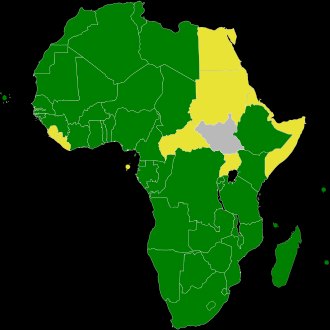
The Pelindaba Treaty prohibited nuclear weapons in Africa and linked disarmament to safeguards and environmental protection.
Background
Testing, colonialism and disarmament
African concern about nuclear weapons included the legacy of French testing in Algeria and the existence of South Africa's former nuclear arsenal. A continental agreement sought to prevent both domestic acquisition and the use of African territory for nuclear weapons programmes.[1]
What happened
- 1996–2009
From signature to legal force
The treaty was signed in Cairo on 11 April 1996 and entered into force on 15 July 2009. The thirteen-year interval matters: the signing ceremony and the point when the treaty became operationally binding were separate milestones.[2]
Impact & evidence
Facilities, waste and verification
The agreement prohibits nuclear explosive devices and includes measures on testing, safeguards and radioactive waste. It also addresses armed attacks on nuclear installations. Peaceful nuclear cooperation remains permitted within the treaty's conditions, distinguishing disarmament from a prohibition of nuclear science.[3]
Aftermath & legacy
A continental institution-building project
The treaty established a framework for African cooperation and verification rather than relying only on assurances from outside powers. Its name evokes the South African nuclear research site associated with the country's former weapons programme. The change from that history to a continental prohibition is significant, while implementation depends on sustained national and regional action.[2]