Stockholm Convention on persistent organic pollutants
The Stockholm Convention targeted chemicals that persist, accumulate in living organisms and travel far from their sources.
- When
- 2001 onward
- Where
- Global
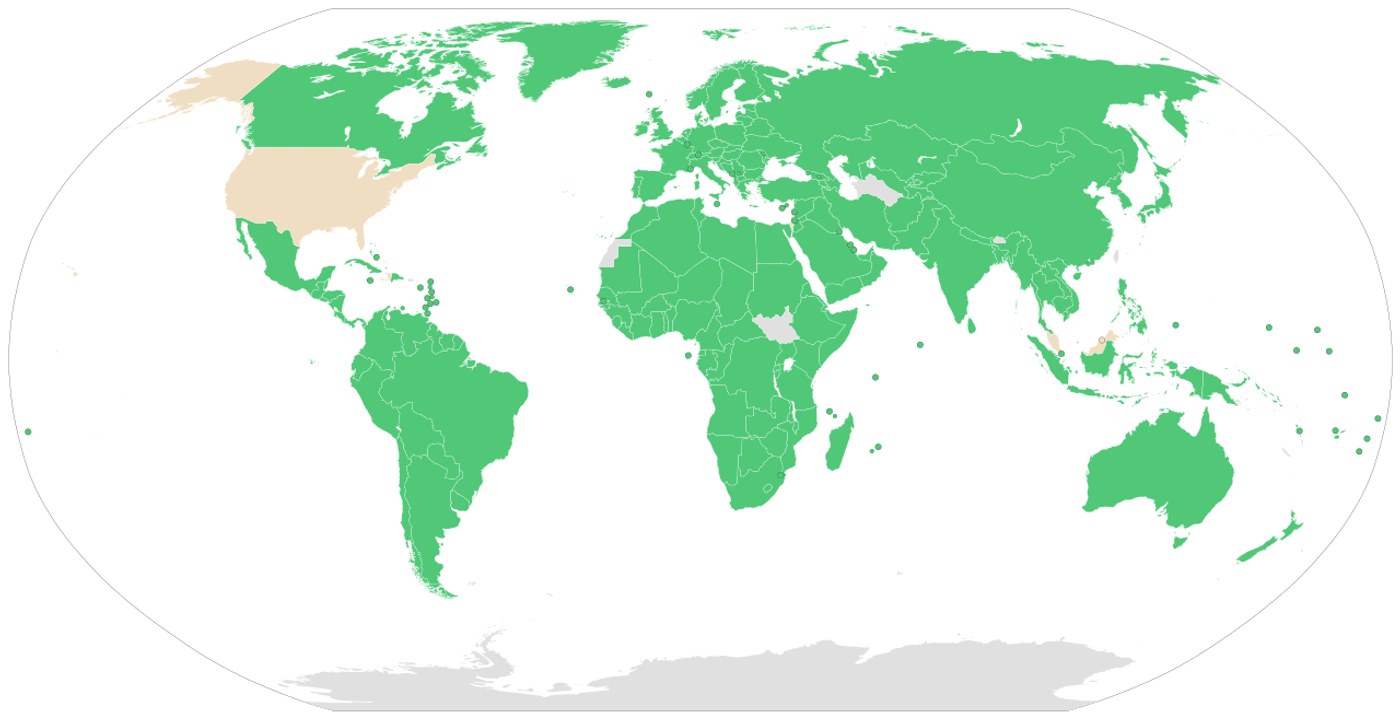
The Stockholm Convention targeted chemicals that persist, accumulate in living organisms and travel far from their sources.
Background
Pollution that crosses borders
Persistent organic pollutants can remain in the environment, accumulate through food chains and undergo long-distance transport. These properties mean that communities can be exposed even when the chemicals were released elsewhere.[2]
What happened
- 2001–2004
Adoption and entry into force
The convention was adopted on 22 May 2001 and entered into force on 17 May 2004. It established measures to eliminate or restrict listed substances and reduce releases from unintentional production.[2]
Impact & evidence
Different listings impose different obligations
The treaty distinguishes elimination, restriction and unintentional releases. Exemptions and specific conditions matter; it is inaccurate to describe every listed chemical as subject to an identical immediate ban.[2]
Aftermath & legacy
An expanding list
Scientific review and decisions by parties have added substances beyond the original group. The continuing work includes stockpiles, contaminated wastes and safer alternatives. A listing is a regulatory step whose real effects depend on implementation and enforcement.[1]
Sources & image credits (2)
User:Gabbe , by trivially changing map by Canuckguy Image source ↗