The establishment of Yellowstone National Park
Creating an influential national-park model on land with a much older Indigenous history.
- When
- 1872
- Where
- Yellowstone region, United States
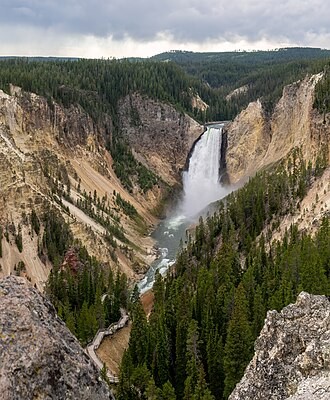
The United States established Yellowstone National Park in 1872, protecting a large landscape from private development. The park's creation became influential internationally, but its history also includes Indigenous use of the region and exclusion under colonial expansion.
Background
An inhabited landscape
The region was not an untouched place without people. Indigenous communities had longstanding connections with its resources and landscapes before the park's creation.[1]
What happened
Impact & evidence
Designation did not ensure protection
The 1872 act withdrew Yellowstone from settlement and sale. Its earliest administration, however, had little money or enforcement capacity, and hunting, timber cutting and vandalism continued. The National Park Service also records how officials promoted the false idea that Native peoples avoided the area. The park’s institutional history thus combines an important conservation precedent with failures of protection and the erasure of Indigenous presence.[1]
Aftermath & legacy
Conservation and dispossession
Yellowstone's influence belongs alongside scrutiny of whose access and rights were restricted. Celebrating landscape protection should not erase the people connected to that landscape.[1]
Sources & image credits (2)
Rhododendrites; CC BY-SA 4.0; via Wikimedia Commons. Image source ↗