Rio Earth Summit
Governments linked environmental protection with development in a broad international programme.
- When
- 3–14 June 1992
- Where
- Rio de Janeiro, Brazil
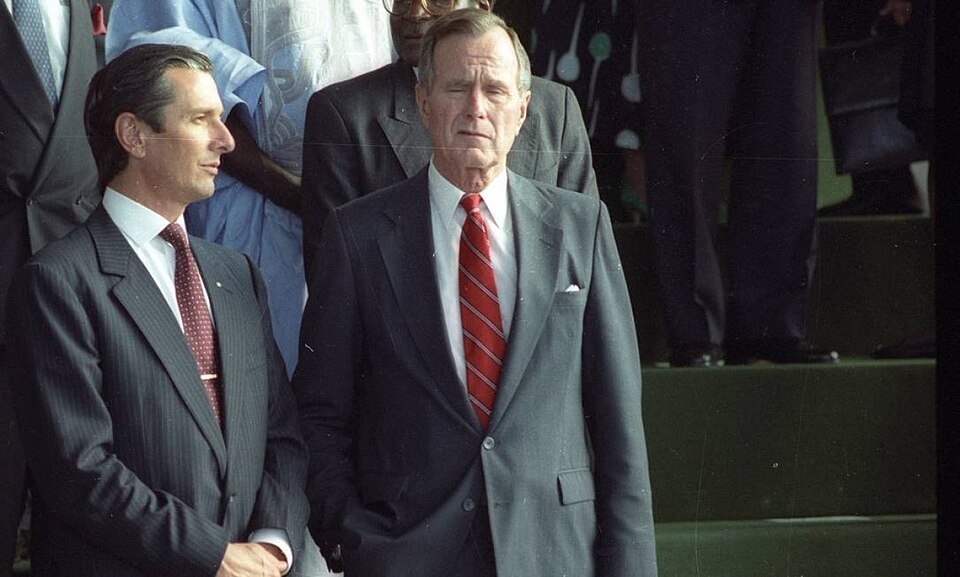
Governments linked environmental protection with development in a broad international programme.
Background
Twenty years after Stockholm
Concern about global environmental change met continuing inequality between and within countries. Delegations, researchers and civil-society organisations gathered to consider how development could proceed without undermining the ecological conditions supporting it.[2]
What happened
- June 1992
A package of agreements
The summit produced the Rio Declaration, Agenda 21 and forest principles. Climate and biodiversity conventions were opened for signature in connection with the conference. The declaration and action programme were distinct from the legally binding conventions.[2]
Impact & evidence
Responsibility was shared but unequal
The declaration recognised common but differentiated responsibilities and addressed participation, precaution and the relationship between environment and development. These ideas shaped later negotiations about which countries should act, pay and receive assistance.[3]
Aftermath & legacy
Implementation became the test
Rio supplied a framework and programme, not automatic delivery. Later review meetings returned to gaps between commitments and practice. The summit's importance lies both in the institutions it strengthened and in the continuing disputes its broad language could not resolve.[2]
Sources & image credits (3)
- Wikipedia — Earth Summit ↗
- United Nations: Rio Earth Summit ↗
- Rio Declaration: official conference report ↗
Ivo Gonzalez · Public domain Image source ↗