Partial Nuclear Test Ban Treaty
The treaty prohibited nuclear explosions in the atmosphere, space and underwater while leaving underground testing outside its ban.
- When
- 1963
- Where
- Moscow and participating states
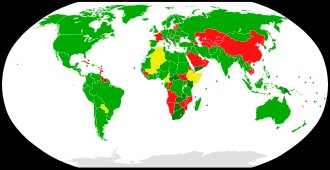
The treaty prohibited nuclear explosions in the atmosphere, space and underwater while leaving underground testing outside its ban.
Background
Fallout and confrontation
Atmospheric testing spread radioactive fallout beyond national boundaries. Public concern and Cold War crises increased pressure for a negotiated restriction. Disputes about verification helped prevent agreement on a comprehensive prohibition at that stage.[1]
What happened
- August–October 1963
A partial agreement
The United States, Soviet Union and United Kingdom signed in Moscow in August, and the treaty entered into force in October. It prohibited explosions in the atmosphere, outer space and underwater, as well as explosions causing radioactive debris beyond the responsible state's territorial limits.[1]
Impact & evidence
An important environmental restriction
The agreement addressed especially visible and far-reaching forms of contamination. It also demonstrated that opposing nuclear powers could negotiate a binding limit. But states outside the agreement were not automatically bound, and the treaty did not prohibit possession or production of nuclear weapons.[2]
Aftermath & legacy
Testing moved underground
Underground testing continued and increased after 1963. The later Comprehensive Nuclear-Test-Ban Treaty sought to close that major gap. The partial treaty's achievement should therefore be described precisely: it restricted environments for testing, not all testing and not the nuclear arms race itself.[3]