mRNA COVID-19 vaccine development
Earlier RNA and delivery research enabled rapid development of mRNA vaccines against COVID-19.
- When
- 2020, building on decades of research
- Where
- International research, trials and manufacturing
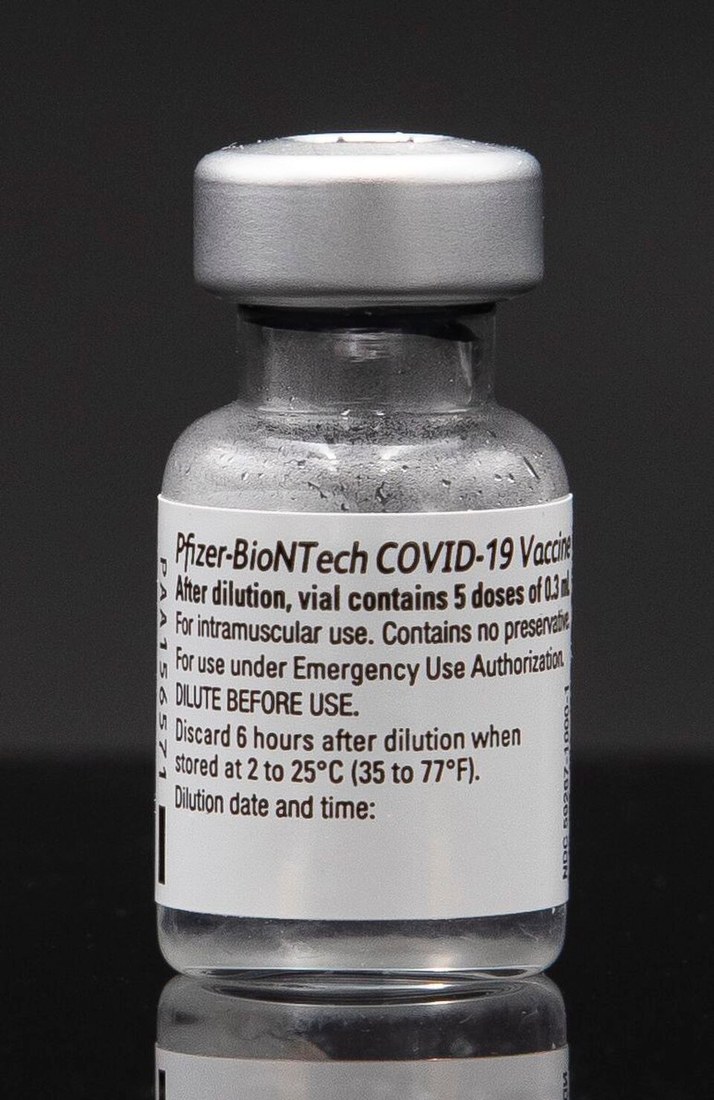
Earlier RNA and delivery research enabled rapid development of mRNA vaccines against COVID-19.
Background
The groundwork preceded the emergency
Researchers had long explored using messenger RNA to instruct cells to produce a chosen protein. Obstacles included inflammatory responses, instability and effective delivery. Katalin Karikó and Drew Weissman's work on modified nucleosides addressed an important part of this problem, alongside many other teams' contributions.[2]
What happened
- 2005–2010
Making RNA more usable
Studies showed that modifying RNA bases could reduce unwanted innate immune activation and improve protein production. These findings helped make therapeutic and vaccine applications more practical. They were enabling discoveries, not a complete COVID-19 vaccine created years before the virus emerged.[2]
- 2020
Design, trials and authorisation
After the SARS-CoV-2 sequence became available, teams developed vaccines encoding its spike protein. Large trials and accelerated manufacturing supported the first authorisations late in 2020. The speed depended on earlier research and resources mobilised in parallel, not the absence of testing.[1]
Impact & evidence
An important but collective achievement
The vaccines showed that mRNA could be deployed at extraordinary scale. Modified RNA, lipid delivery systems, antigen design, clinical research and manufacturing all contributed. The 2023 Nobel Prize recognised one foundational contribution rather than assigning sole authorship of the entire platform.[3]
Aftermath & legacy
Distribution shaped the outcome
Cold-chain requirements, production capacity and unequal access affected who benefited first. Protection also had to be studied as the virus evolved. The historical breakthrough is the platform's successful deployment, not a claim that vaccination alone ended the pandemic.[1]