Kōhanga reo language revival
Māori families creating immersion language nests for a new generation of speakers.
- When
- From 1982
- Where
- Aotearoa New Zealand
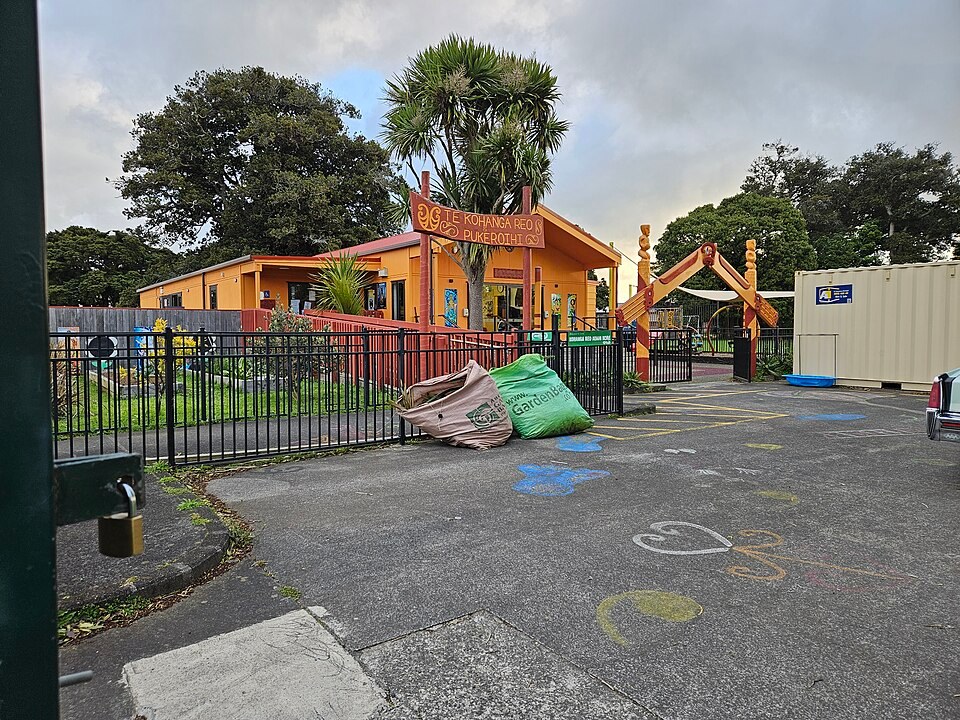
Māori families creating immersion language nests for a new generation of speakers. Colonisation, English-dominant schooling and urban change weakened the transmission of te reo Māori between generations. Activists challenged the idea that language loss was inevitable.
Background
Language transmission under pressure
Colonisation, English-dominant schooling and urban change weakened the transmission of te reo Māori between generations. Activists challenged the idea that language loss was inevitable. Revitalisation required places where young children could hear and use Māori as an everyday language rather than encounter it only as a school subject.[1]
What happened
- 1982
The first language nest
Pukeatua Kōhanga Reo opened in Wainuiomata. The model brought children, elders and whānau together in an immersion setting. Its purpose extended beyond vocabulary to relationships, cultural practice and collective responsibility for learning.[1]
- Following years
A movement expands
Communities established further kōhanga reo, and the demand for continued Māori-medium education grew. Training, funding and official recognition became important questions. Institutional support could help expansion, but also raised tensions over how to preserve whānau leadership and the movement's founding principles.[1]
Impact & evidence
More than classroom instruction
The initiative connected early childhood education with language use at home and in community life. Measuring success solely through enrolment misses these wider relationships. Children also needed opportunities to continue using the language as they grew older.[2]
Aftermath & legacy
Revival through community authority
Kōhanga reo became influential internationally as an example of Indigenous language revitalisation. Its history demonstrates the importance of community initiative and sustained institutions. The opening of a programme did not reverse language decline overnight, but created a practical means of renewing transmission.[1]
Sources & image credits (2)
Prosperosity · CC BY 4.0 (source record). Resized for display. Image source ↗