John Snow's cholera investigation
Evidence linking cholera deaths to contaminated drinking water rather than foul air.
- When
- 1854
- Where
- Soho, London
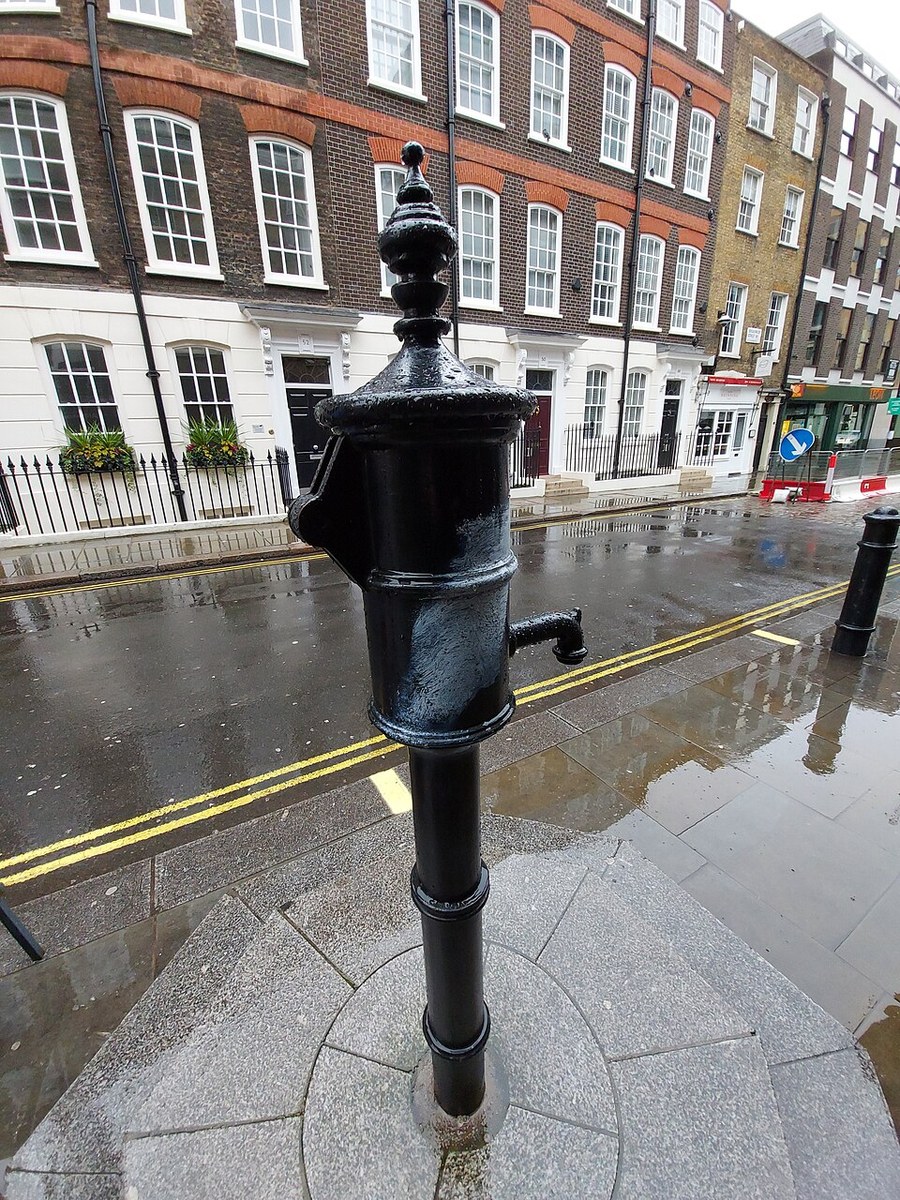
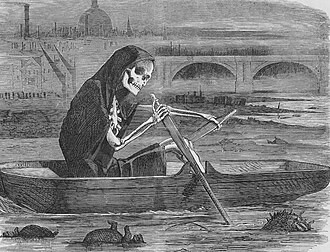
Evidence linking cholera deaths to contaminated drinking water rather than foul air. Many contemporaries explained cholera through miasma, or unhealthy air. John Snow instead investigated whether contaminated water transmitted the disease.
Background
Competing explanations of an epidemic
Many contemporaries explained cholera through miasma, or unhealthy air. John Snow instead investigated whether contaminated water transmitted the disease. The Soho outbreak gave him an opportunity to connect where people obtained water with where illness and deaths occurred.[1]
What happened
- 1854
Cases and water sources compared
Snow mapped deaths and interviewed residents about water use. Patterns around the Broad Street pump supported his explanation, while exceptions required investigation rather than dismissal. Work by the Reverend Henry Whitehead added local knowledge and helped trace the circumstances of contamination.[1]
- September 1854
The pump handle removed
Officials removed the handle after Snow presented his case. The outbreak was already declining, so the intervention cannot be credited with single-handedly ending it. Snow's wider comparisons of water suppliers provided additional evidence beyond the famous map and pump story.[1]
Impact & evidence
Evidence can precede identification of the organism
Snow did not need a complete modern microbiological account to demonstrate a relationship between exposure and disease. Comparing populations and tracing cases made a plausible causal argument. The investigation's importance lies in that reasoning, not in a simplified tale of instant acceptance by every official.[2]
Aftermath & legacy
From local inquiry to epidemiology
The episode became an important example of public-health investigation. Later sanitation improvements and bacteriology strengthened the case for safe water. It also shows the value of combining statistics with detailed local knowledge: a map became persuasive because the investigators examined the lives and water sources behind its marks.[1]
Sources & image credits (2)
Jamzze · CC BY-SA 4.0 (source record). Resized for display. Image source ↗