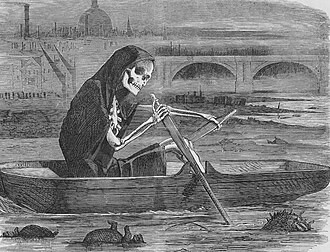
Jenner's smallpox vaccination experiment
Edward Jenner tested protection against smallpox using material from cowpox.
- When
- 1796–1798
- Where
- Berkeley, Gloucestershire, England
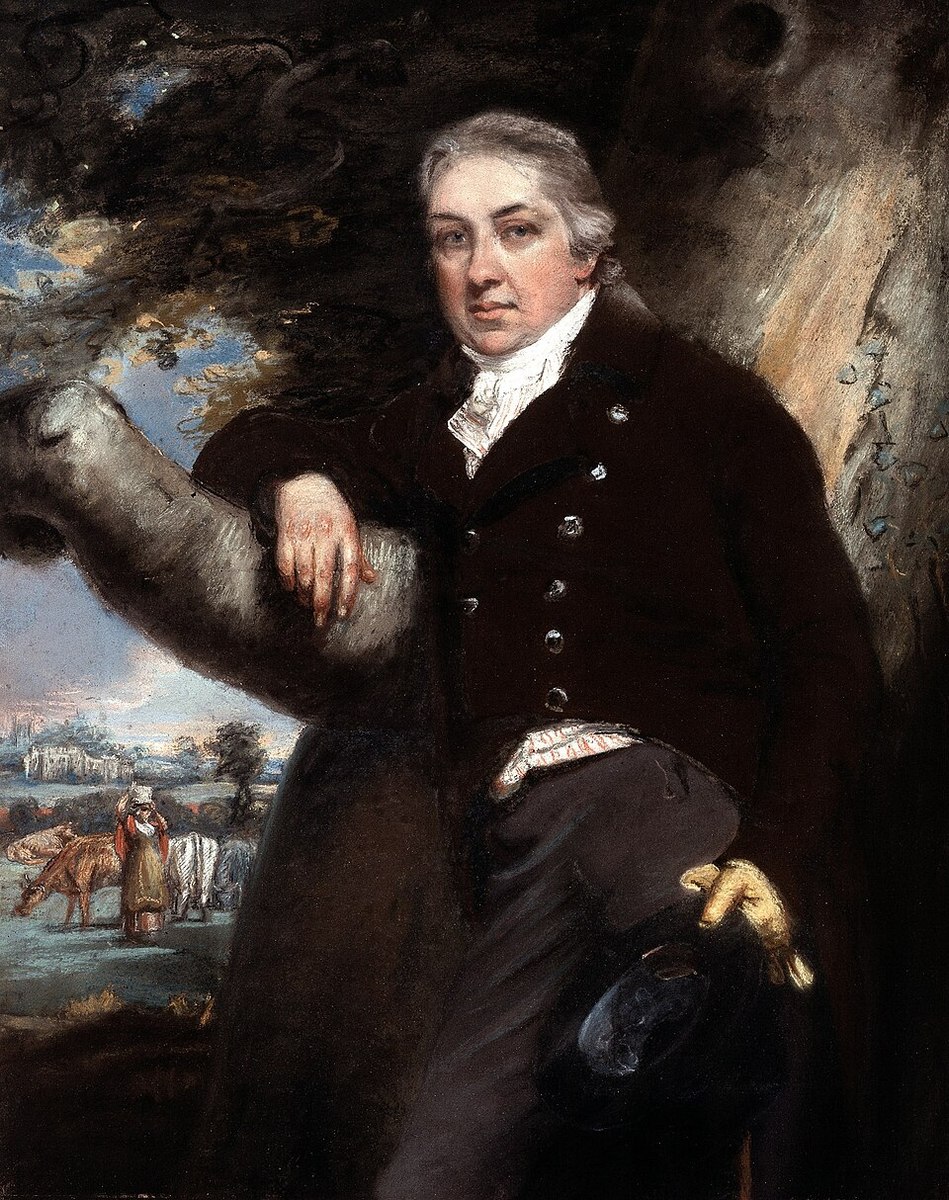
Edward Jenner tested protection against smallpox using material from cowpox.
Background
Prevention existed before Jenner
Variolation, which exposed people to smallpox material, had long been practised in different societies. Observations that cowpox could protect against smallpox offered a possible alternative. Jenner's experiment belonged to that wider history of practical knowledge and risk.[2]
What happened
- 1796
James Phipps and Sarah Nelmes
Jenner used material from a cowpox lesion on dairy worker Sarah Nelmes to inoculate eight-year-old James Phipps. He subsequently exposed the boy to smallpox material to test protection. Phipps did not develop smallpox in that test; the deliberate exposure also makes the experiment ethically troubling by present standards.[2]
Impact & evidence
Publication and wider use
Jenner published his findings and vaccination spread. A single experiment was not equivalent to a modern controlled trial, nor did publication ensure universal access or acceptance. Producing and distributing effective vaccine remained a practical challenge.[2]
Aftermath & legacy
From an experiment to eradication
Smallpox eradication required later vaccine development, surveillance, containment and enormous international public-health effort. The World Health Assembly declared eradication in 1980. Jenner's work was an important stage in that history, not the accomplishment of the entire campaign by one person.[2]
Sources & image credits (2)
John Raphael Smith · Public domain Image source ↗