Insulin's discovery and first treatment
An effective pancreatic extract transforming the prospects of people with severe diabetes.
- When
- 1921–1922
- Where
- Toronto, Canada
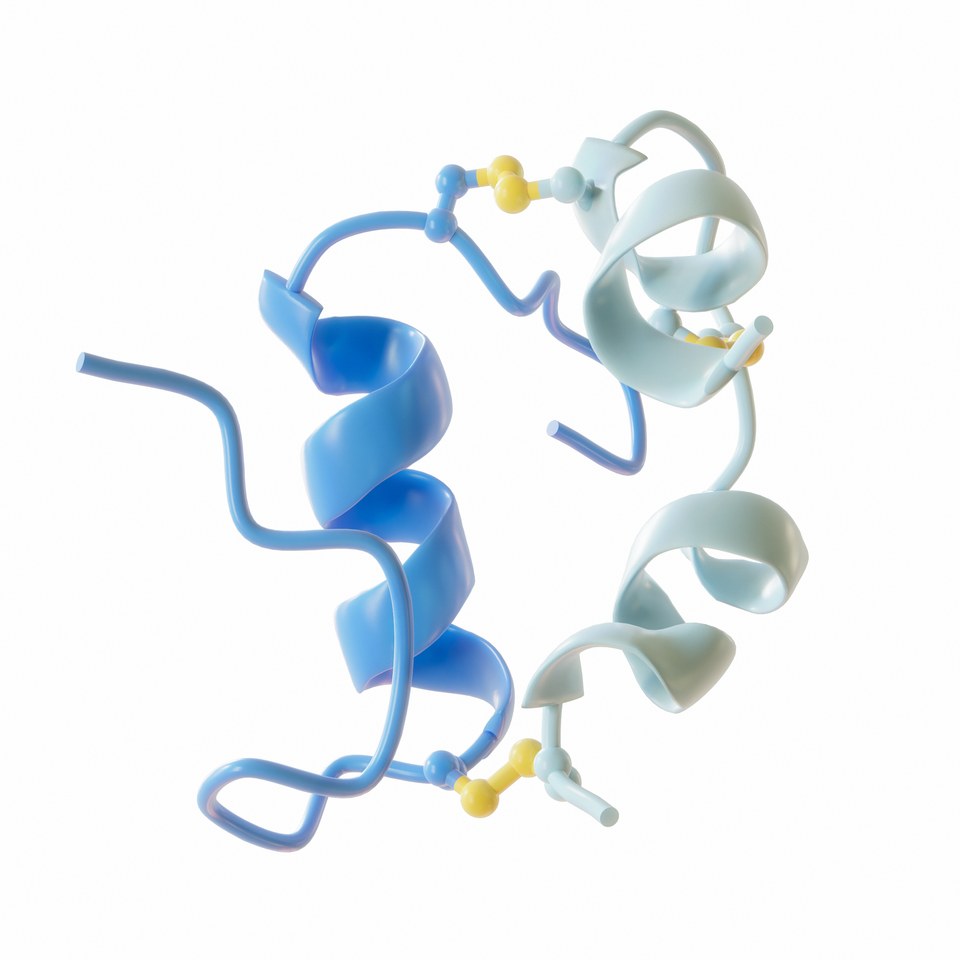
An effective pancreatic extract transforming the prospects of people with severe diabetes. Before insulin treatment, severe insulin-deficient diabetes was often fatal, and restrictive diets could only prolong survival for some patients. Earlier research had established the pancreas's importance.
Background
A disease with few effective options
Before insulin treatment, severe insulin-deficient diabetes was often fatal, and restrictive diets could only prolong survival for some patients. Earlier research had established the pancreas's importance. The problem was producing an extract that could reduce blood glucose safely and reliably enough for treatment.[1]
What happened
- 1921
Experiments in Toronto
Frederick Banting and Charles Best worked in J. J. R. Macleod's laboratory on pancreatic extracts. James Collip's biochemical purification work was crucial in making the material suitable for human use. The result depended on these different contributions and on earlier work by other investigators.[1]
- January 1922
A patient receives effective treatment
Leonard Thompson, a young patient with diabetes, received insulin in Toronto. An initial preparation was inadequate, but a more purified extract produced a major improvement. Scaling production and standardising strength were necessary before the treatment could reach large numbers of patients.[1]
Impact & evidence
Treatment rather than cure
Insulin allowed people with previously lethal forms of diabetes to live much longer, but required continuing administration and monitoring. The discovery did not remove risks or guarantee affordable access. The history of production and distribution is therefore part of its medical significance, not merely an afterthought to the laboratory work.[2]
Aftermath & legacy
Credit and access
The 1923 Nobel Prize went to Banting and Macleod, who shared prize money with Best and Collip respectively. Disputes about credit reflect a collaborative but strained discovery process. Later forms of insulin improved treatment, while access remained an important measure of whether the scientific achievement reached those who needed it.[1]
Sources & image credits (2)
User:AtikaAtikawa · CC BY-SA 4.0 (source record). Resized for display. Image source ↗