Ebola vaccine trials and deployment
Ring-vaccination trials and emergency use helped turn an Ebola vaccine candidate into an approved outbreak-control tool.
- When
- 2015–2019
- Where
- Guinea and later Ebola outbreak settings
Ring-vaccination trials and emergency use helped turn an Ebola vaccine candidate into an approved outbreak-control tool.
Background
Research accelerated by catastrophe
The West African Ebola epidemic exposed the absence of widely available vaccines and effective treatment options. Candidates developed through earlier research were moved rapidly into testing. Communities experiencing the outbreak, local health workers and international teams all contributed to the process.[1]
What happened
- 2015
A ring-vaccination trial in Guinea
Researchers vaccinated contacts and contacts of contacts around identified cases. The design tested an outbreak-control strategy as well as the product. Analysis focused on disease occurring at least ten days after vaccination, allowing time for protection to develop; omitting that window would misrepresent the findings.[2]
- 2019
Toward approved use
Further outbreak deployment and regulatory assessment led to major approval and prequalification milestones in 2019. These steps supported procurement and country use beyond an experimental trial. Surveillance, community trust and rapid identification of contacts remained necessary alongside vaccination.[3]
Impact & evidence
Results with a defined scope
The final trial reported high protection from the rVSV-ZEBOV vaccine within the study conditions. That evidence should not be turned into a claim of universal protection against every Ebola virus species or instantaneous immunity after an injection.[2]
Aftermath & legacy
A tool within a wider response
Vaccination strengthened Ebola control but did not replace clinical care, infection prevention or dignified, safe burial practices. The achievement combined biomedical research with difficult fieldwork and the participation of people living through an epidemic.[1]
Sources & image credits (3)
- Wikipedia — Ebola vaccine ↗
- WHO: final Guinea trial results, 2016 ↗
- WHO: regulatory milestone for the Ebola vaccine, 2019 ↗
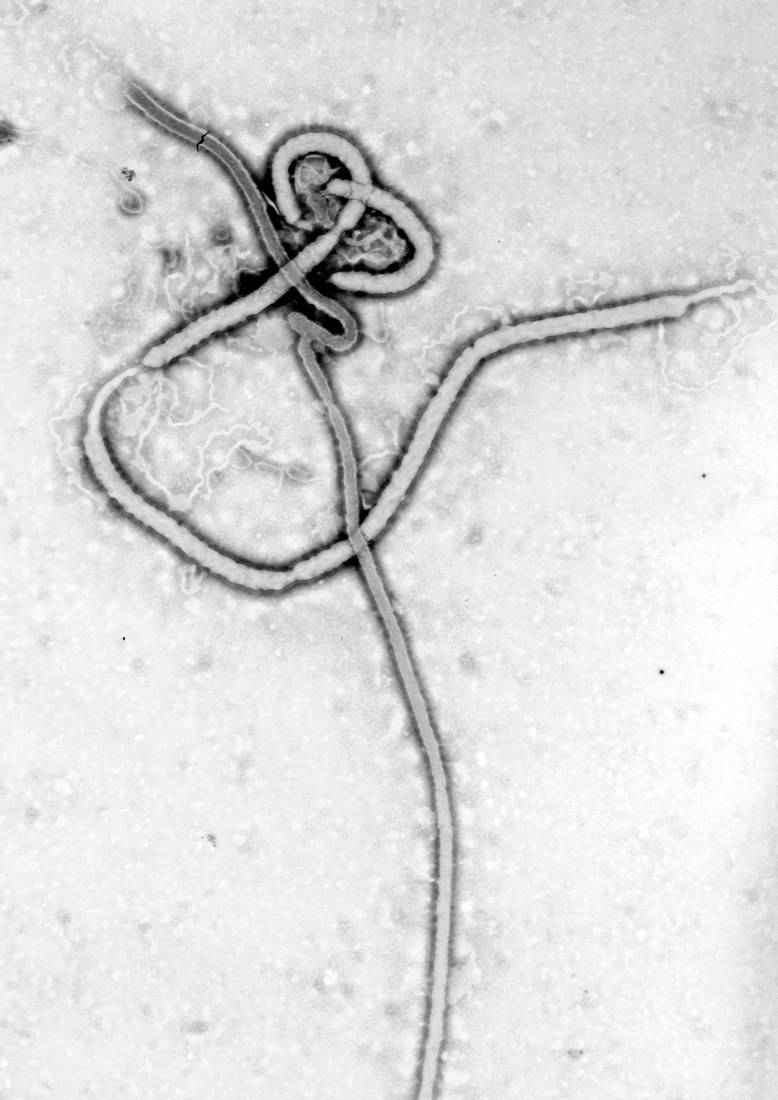
CDC/ Dr. Frederick A. Murphy Image source ↗