Development of the meningitis A vaccine for Africa
An affordable conjugate vaccine was developed specifically to prevent meningitis A epidemics in Africa.
- When
- 2010 onward
- Where
- Africa's meningitis belt
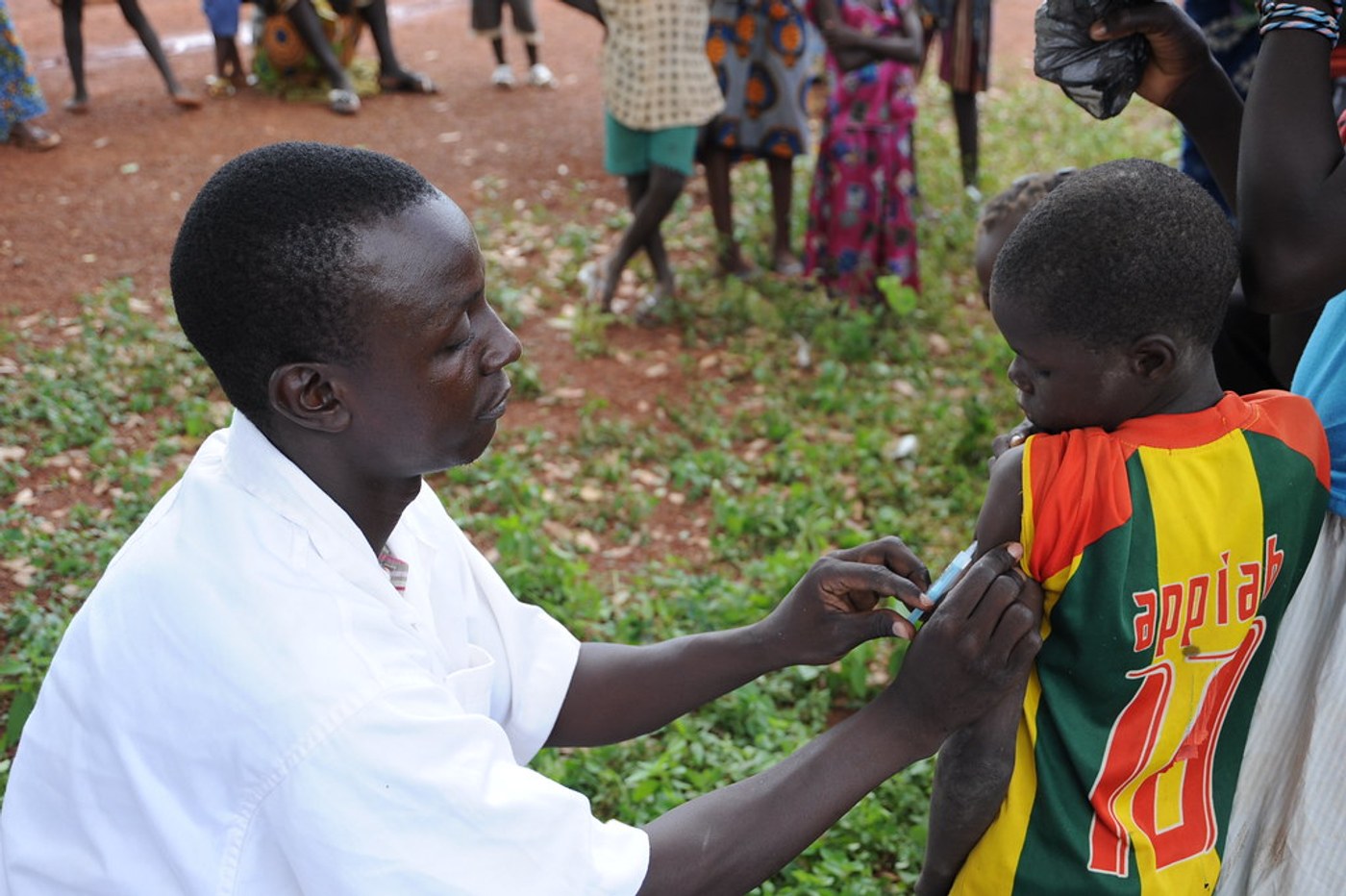
An affordable conjugate vaccine was developed specifically to prevent meningitis A epidemics in Africa.
Background
A vaccine designed around a regional need
Recurring meningitis epidemics imposed heavy losses across the African meningitis belt. Existing responses often relied on reacting after outbreaks began. African health authorities sought an affordable vaccine capable of providing longer-lasting protection rather than repeating emergency campaigns indefinitely.[2]
What happened
- 2001–2010
A product-development partnership
WHO and PATH formed the Meningitis Vaccine Project, working with manufacturing and research partners. The project placed affordability and suitability for African programmes at the centre of development. It was not simply a later donation of a product designed for a wealthy market.[3]
- 2010
Prequalification and rollout
MenAfriVac received WHO prequalification in June and was introduced in mass campaigns later that year. The conjugate design improved the immune response compared with older polysaccharide approaches. Campaign organisation and national delivery systems were essential to reaching the intended population.[2]
Impact & evidence
Meningitis A is not all meningitis
The vaccine targets group A meningococcus. Other bacteria and meningococcal groups can also cause meningitis, so success against group A does not mean the disease as a whole disappeared. This distinction is crucial when describing later reductions in epidemics.[1]
Aftermath & legacy
A model for collaborative development
The project demonstrated the value of designing a vaccine around the needs of affected countries. Sustaining gains required routine immunisation, surveillance and attention to other causes of meningitis after the initial mass campaigns.[2]
Sources & image credits (3)
- Wikipedia — MenAfriVac ↗
- WHO: introduction of MenAfriVac, December 2010 ↗
- WHO: the Meningitis Vaccine Project, 2008 ↗
WHO, via PATH Image source ↗