Development of the measles vaccine
Culturing the measles virus enabled vaccines that sharply reduced disease where coverage was sustained.
- When
- 1954–1968
- Where
- United States, with subsequent worldwide use
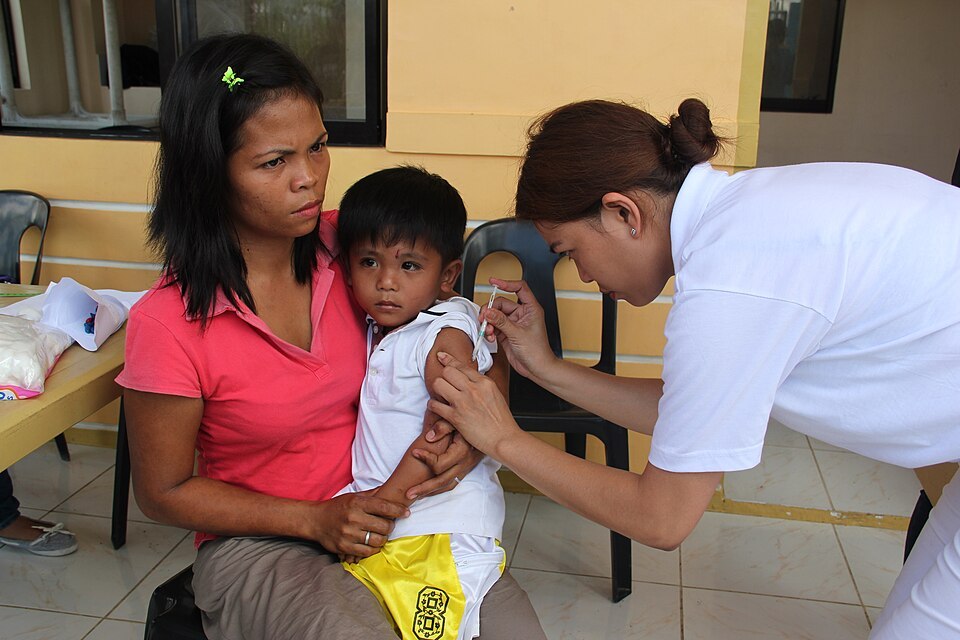
Culturing the measles virus enabled vaccines that sharply reduced disease where coverage was sustained.
Background
A common childhood infection with serious consequences
Before vaccination, measles infected millions of Americans annually and caused deaths and hospitalisations. In 1954, John Enders and Thomas Peebles isolated the virus during an outbreak, using samples that included material from student David Edmonston.[2]
What happened
- 1963
Vaccines reached licensed use
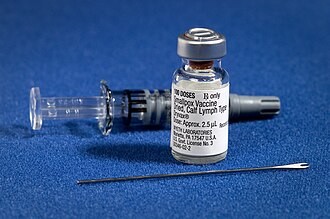
Enders and colleagues developed a vaccine from the Edmonston-B strain. The first licensed products were not all identical: both live and killed-virus approaches were used initially. Later improvements produced a more attenuated live vaccine licensed in 1968.[2]
Impact & evidence
A large reduction, not instant eradication
Reported US incidence fell by more than 95% in the years following vaccine introduction. That result depended on vaccination programmes reaching children, not merely a laboratory discovery. Outbreaks could still occur where susceptible people accumulated.[3]
Aftermath & legacy
A continuing programme
Measles vaccination became part of combined childhood immunisation and required sustained delivery and surveillance. National elimination does not mean global eradication, and imported infections can cause outbreaks. The historical achievement is the ability to prevent a highly contagious disease at scale when programmes maintain protection.[3]
Sources & image credits (3)
DFID - UK Department for International Development · CC BY 2.0 Image source ↗