Development of the BCG tuberculosis vaccine
A weakened bovine tuberculosis bacterium became the basis of BCG vaccination.
- When
- 1921
- Where
- France
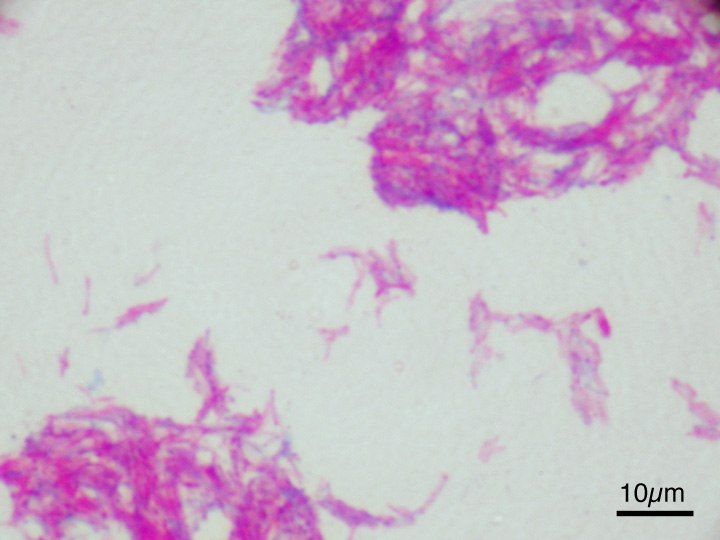
A weakened bovine tuberculosis bacterium became the basis of BCG vaccination.
Background
A long laboratory programme
Albert Calmette and Camille Guerin studied tuberculosis in an era when the disease caused widespread illness and death. Beginning in 1908, repeated cultivation of a bovine strain gradually reduced its virulence. The work took thirteen years and about 230 passages.[2]
What happened
- July 1921
The first infant vaccination
The preparation was first given to an infant considered at high risk of exposure. Initial use in hundreds of infants preceded wider distribution. The initials BCG commemorated Calmette and Guerin and became attached to a vaccine used internationally.[2]
Impact & evidence
A durable public-health tool
The development connected laboratory microbiology with preventive care for children. Manufacture, delivery and assessment over many years mattered as much as the first administration. The success was not a declaration that tuberculosis had disappeared.[2]
Aftermath & legacy
Different forms of protection
WHO identifies consistent protection against severe childhood forms of tuberculosis, including meningitis and disseminated disease. Protection against pulmonary tuberculosis in older children and adults is more variable. That distinction explains why BCG remains important while tuberculosis control also depends on diagnosis, treatment and broader public-health measures.[3]
Sources & image credits (3)
- Wikipedia — BCG vaccine ↗
- Institut Pasteur: a century of BCG ↗
- WHO: BCG vaccine protection and limitations ↗
Y tambe · CC BY-SA 3.0 Image source ↗