Development of HPV vaccination
Vaccines targeting human papillomavirus created a means to prevent infections that cause cervical and other cancers.
- When
- 2006 and subsequent introduction
- Where
- International research and vaccination programmes
Vaccines targeting human papillomavirus created a means to prevent infections that cause cervical and other cancers.
Background
Connecting a virus to cancer
Evidence that certain HPV types cause cervical cancer changed prevention research. Scientists sought a vaccine that would prepare the immune system without exposing recipients to the virus's cancer-causing machinery. Work on virus-like particles supplied a practical route.[2]
What happened
- 1990s–2006
Research becomes a licensed vaccine
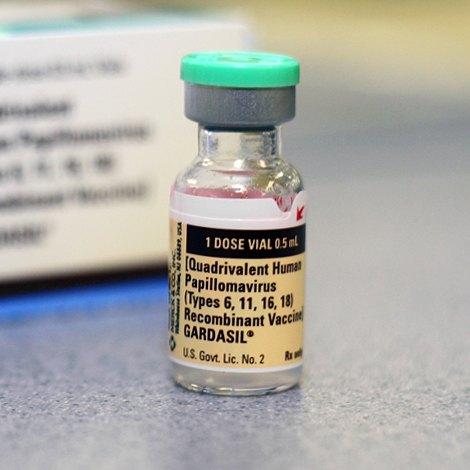
University, public-sector and commercial teams contributed to the technology and trials. The first HPV vaccine was licensed in 2006. Treating the outcome as the work of one company or one scientist would omit the accumulated research that made it possible.[3]
Impact & evidence
Blocking infection before disease develops
The vaccines prevent infection with targeted HPV types and the associated precancerous changes. They do not remove every cause of cervical cancer or treat an infection already established. Their significance is the ability to intervene before a cancer-causing pathway begins.[2]
Aftermath & legacy
A scientific advance with unequal reach
Countries introduced programmes at different speeds, with cost, delivery systems and public confidence influencing uptake. Later evidence of reduced precancer and cancer strengthened the original trial findings. The history therefore includes both vaccine development and the challenge of making prevention available where cervical cancer causes the greatest burden.[1]
Sources & image credits (3)
- Wikipedia — HPV vaccine ↗
- US National Cancer Institute: developing HPV vaccines ↗
- National Cancer Institute: the HPV vaccine research landmark ↗
Jan Christian @ www.ambrotosphotography.com Gardasil_vaccine_and_box.jpg : Jan Christian @ www.ambrotosphotography.com Image source ↗