Development of hepatitis B vaccination
Vaccines against hepatitis B made prevention of a major cause of chronic liver disease and liver cancer possible.
- When
- 1980s
- Where
- International vaccine research and immunisation programmes
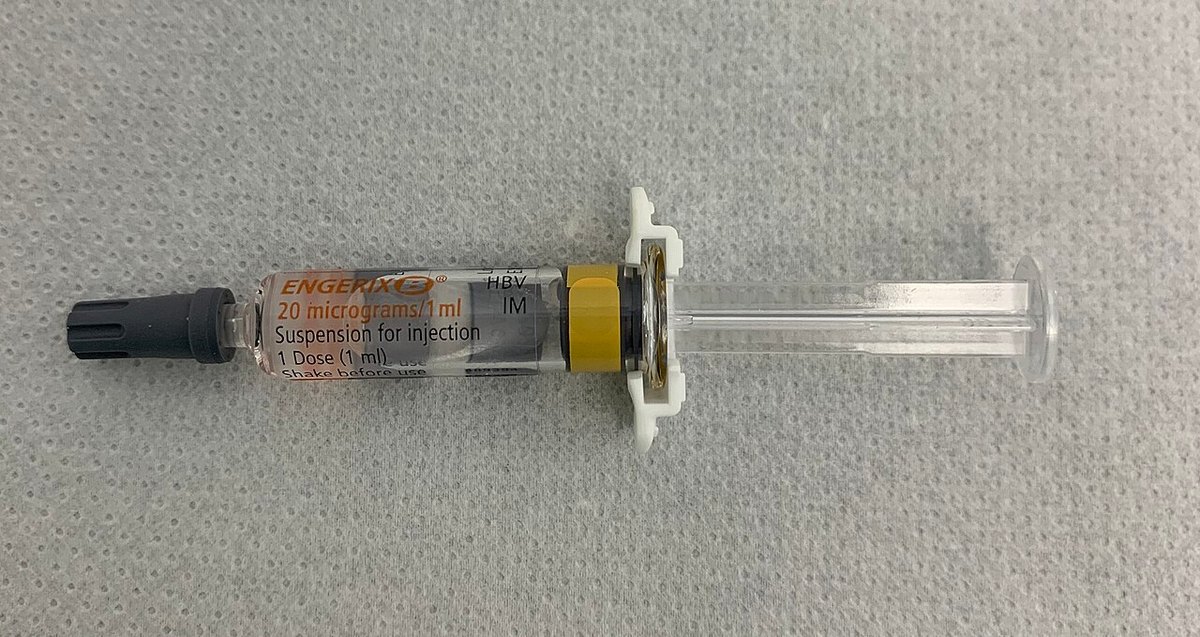
Vaccines against hepatitis B made prevention of a major cause of chronic liver disease and liver cancer possible.
Background
Preventing an infection with lifelong consequences
Hepatitis B can become chronic and cause cirrhosis and liver cancer. Research identifying the virus and its surface antigen created an opportunity to prevent infection through immunisation. The importance of the vaccine extends beyond an acute illness to diseases that can develop decades later.[1]
What happened
- Early 1980s
Plasma-derived vaccines
The first generation used purified surface antigen from the plasma of people with chronic infection. Processing removed or inactivated infectious material. WHO records commercial availability from 1982, while licensing milestones vary by country and product.[2]
- 1986 onward
Recombinant production
Genetic engineering enabled production of the antigen without relying on human plasma. The resulting vaccines became a major example of recombinant biotechnology in public health. Manufacturing standards, quality control and distribution were necessary steps between a laboratory discovery and a usable immunisation programme.[3]
Impact & evidence
An important change in scope
By reducing hepatitis B infection, vaccination also reduces the risk of related liver cancer. This does not mean the vaccine treats established cancer or cures existing chronic infection. The preventive mechanism is what makes this medical milestone distinctive.[1]
Aftermath & legacy
Access determines impact
The scientific achievement required widespread delivery to realise its benefits. Birth-dose access, routine childhood programmes and reliable supplies became central implementation questions. This profile concerns the historical development rather than individual vaccination advice.[2]