Convention on Biological Diversity
An international agreement linked conservation, sustainable use and fair sharing of benefits from genetic resources.
- When
- 1992 onward
- Where
- Global
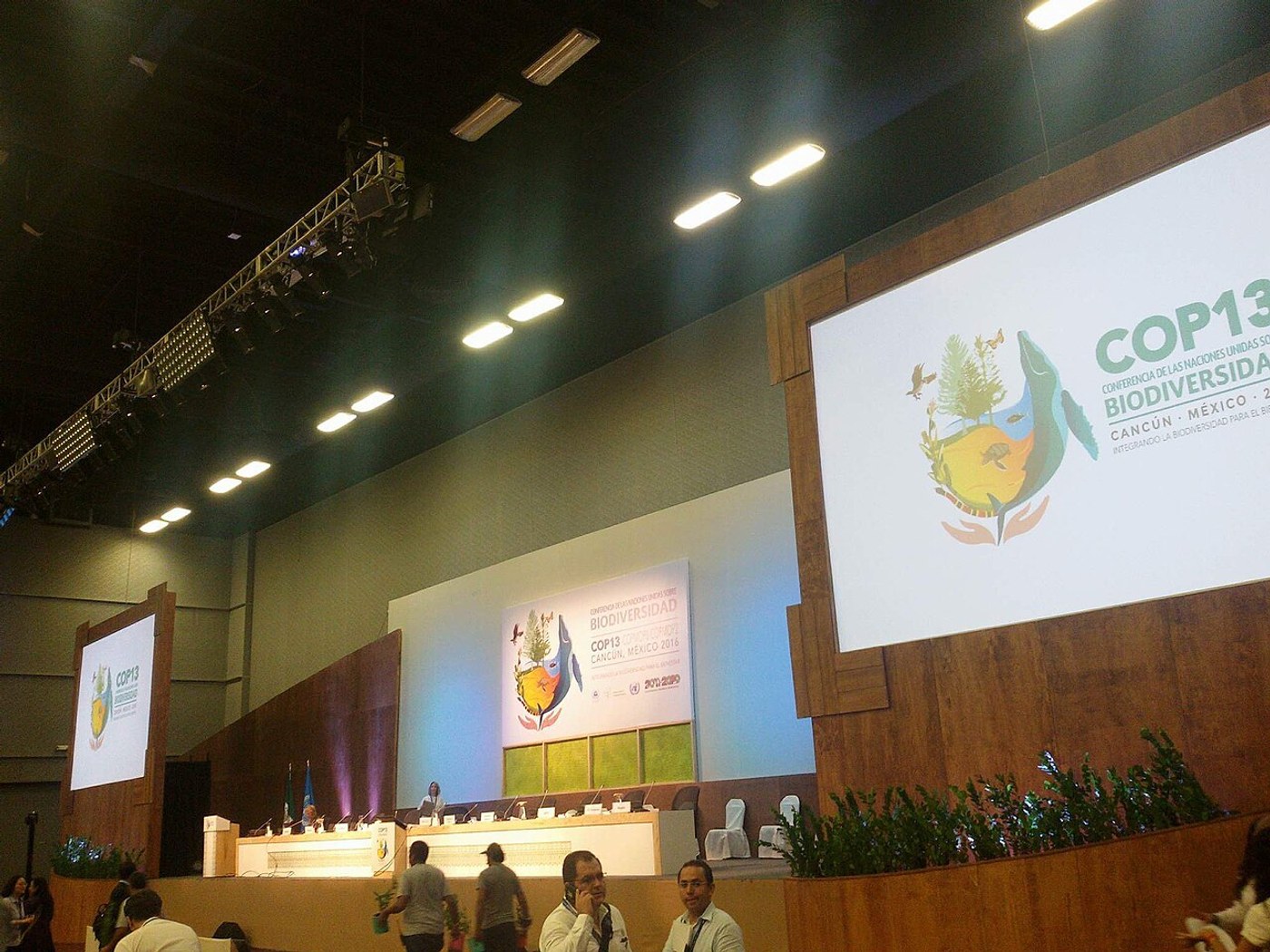
An international agreement linked conservation, sustainable use and fair sharing of benefits from genetic resources.
Background
More than protected areas
The convention addressed the diversity of ecosystems, species and genetic resources. Its three objectives connected conservation with sustainable use and the sharing of benefits, recognising that protection could not be separated from development and control over resources.[3]
What happened
- 1992–1993
From Rio to entry into force
The treaty opened for signature at the Rio Earth Summit on 5 June 1992 and entered into force on 29 December 1993. Governments accepted a framework for national measures and international cooperation rather than a single global conservation authority.[2]
Impact & evidence
National action and international negotiation
Parties develop strategies and report on implementation. Disagreements over finance, access to genetic resources and the distribution of benefits remain central to putting the agreement into practice. Signing a treaty does not itself demonstrate that biodiversity loss has been stopped.[3]
Aftermath & legacy
A continuing framework
Later protocols and negotiated targets extended the framework. Its importance lies in making biodiversity a continuing subject of international obligations and negotiation, while its effectiveness depends on domestic action, resources and accountability.[3]
Sources & image credits (3)
- Wikipedia — Convention on Biological Diversity ↗
- Convention on Biological Diversity: history ↗
- CBD: the convention and its objectives ↗
Continentaleurope Image source ↗