Bougainville Peace Agreement
A negotiated framework combining autonomy, weapons disposal and a future referendum.
- When
- 30 August 2001
- Where
- Bougainville, Papua New Guinea
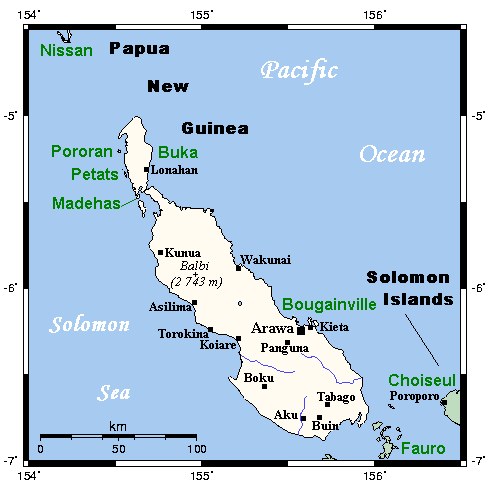
A negotiated framework combining autonomy, weapons disposal and a future referendum. War on Bougainville developed around grievances including the Panguna copper mine, environmental damage and unequal power. Fighting and a blockade caused severe civilian hardship.
Background
Conflict over land, mining and political control
War on Bougainville developed around grievances including the Panguna copper mine, environmental damage and unequal power. Fighting and a blockade caused severe civilian hardship. Local divisions complicated a conflict that could not be resolved simply by an agreement between one government and a single united rebel organisation.[1]
What happened
- 1990s
Negotiations and local reconciliation
Ceasefires, regional mediation and community peace efforts gradually created room for talks. Women's organising and local reconciliation helped sustain the process. International monitoring supported confidence, but political agreement depended on participants addressing the practical fears of renewed conflict.[1]
- 2001
Three connected pillars
The peace agreement provided for autonomous government, weapons disposal and a future referendum on Bougainville's political status. These provisions were linked rather than independent promises. The referendum outcome would be subject to consultation and the constitutional processes specified in the agreement, not automatic implementation on the day of voting.[1]
Impact & evidence
Signing was only the beginning
The settlement made a durable reduction in conflict possible, but required disarmament, institution-building and negotiations over powers and resources. The large vote for independence in 2019 demonstrated the importance of the referendum commitment while leaving further political steps to be resolved.[1]
Aftermath & legacy
Peace built at several levels
Bougainville illustrates how national agreements depend on community confidence and mechanisms for handling future disputes. Autonomy created political space without immediately settling final sovereignty. The case is therefore an account of an evolving negotiated process, not a claim that every question was resolved in 2001.[1]
Sources & image credits (1)
user:Electionworld · CC BY-SA 3.0 (source record). Resized for display. Image source ↗