Basel Convention on hazardous waste
The Basel Convention established controls on international movements of hazardous waste after scandals involving toxic dumping.
- When
- 1989 onward
- Where
- Global
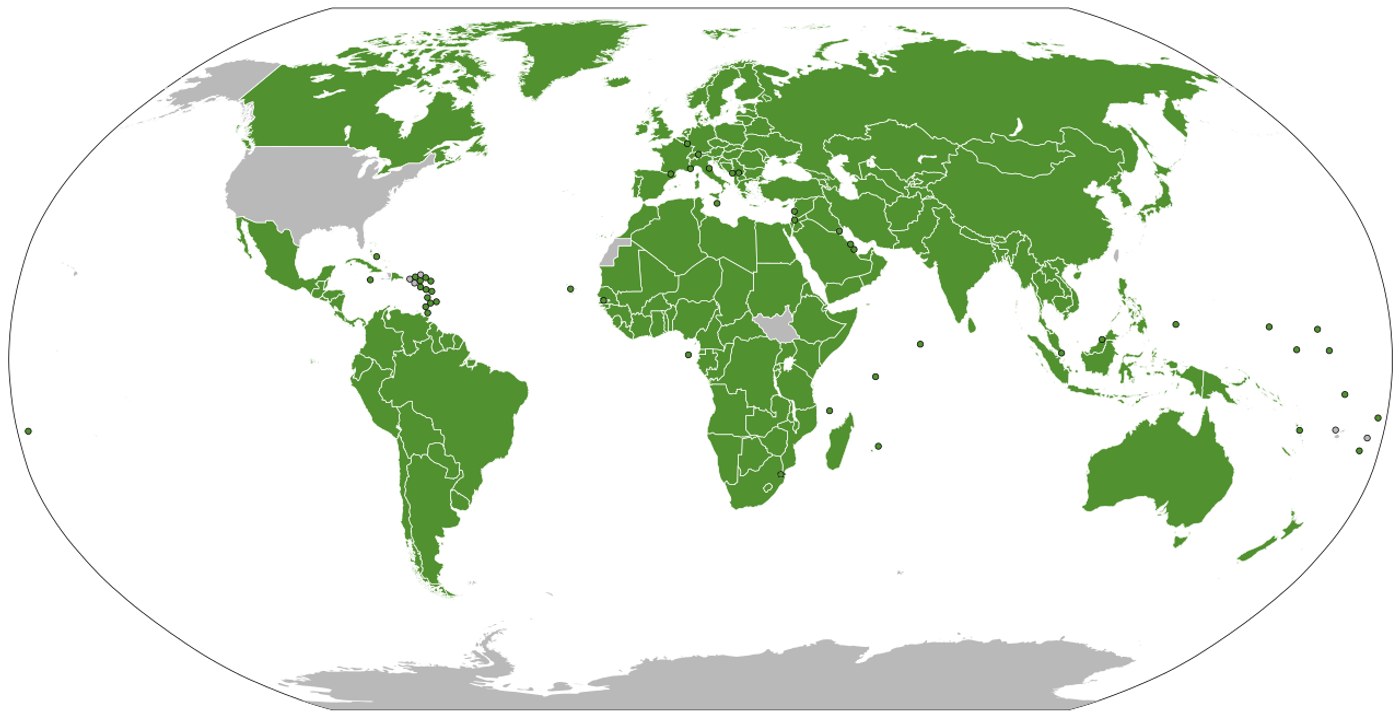
The Basel Convention established controls on international movements of hazardous waste after scandals involving toxic dumping.
Background
Waste exported across unequal borders
Public anger over hazardous waste dumped in Africa and other developing regions helped drive negotiations. The issue involved who profited from disposal and who bore the environmental and health costs, not simply the technical handling of rubbish.[2]
What happened
- 1989–1992
Adoption and entry into force
The convention was adopted on 22 March 1989 and entered into force in 1992. It required controls on transboundary movements and environmentally sound management, with prior informed consent central to the system.[2]
Impact & evidence
Controls are not a universal ban
The original convention did not prohibit every international shipment of waste. Its obligations, exclusions and subsequent amendments matter when assessing a particular trade. Presenting adoption as the end of toxic dumping would confuse a legal framework with its enforcement.[2]
Aftermath & legacy
An evolving waste regime
Later negotiations addressed restrictions and additional waste streams. Illegal traffic, uneven inspection capacity and disputed classifications continued to test the regime. The convention made cross-border responsibility explicit without removing the economic incentives for harmful disposal.[1]
Sources & image credits (2)
NordNordWest Image source ↗