Discovery of artemisinin
Research on sweet wormwood yielding a powerful antimalarial medicine.
- When
- Early 1970s
- Where
- China
Research on sweet wormwood yielding a powerful antimalarial medicine. Growing resistance limited established antimalarial treatments. China's Project 523 coordinated a search for alternatives involving many research groups.
Background
Malaria and drug resistance
Growing resistance limited established antimalarial treatments. China's Project 523 coordinated a search for alternatives involving many research groups. Tu Youyou's team investigated traditional medical references and plant preparations, combining historical clues with laboratory testing rather than assuming that every traditional remedy was effective.[1]
What happened
- 1971–1972
Extraction and isolation
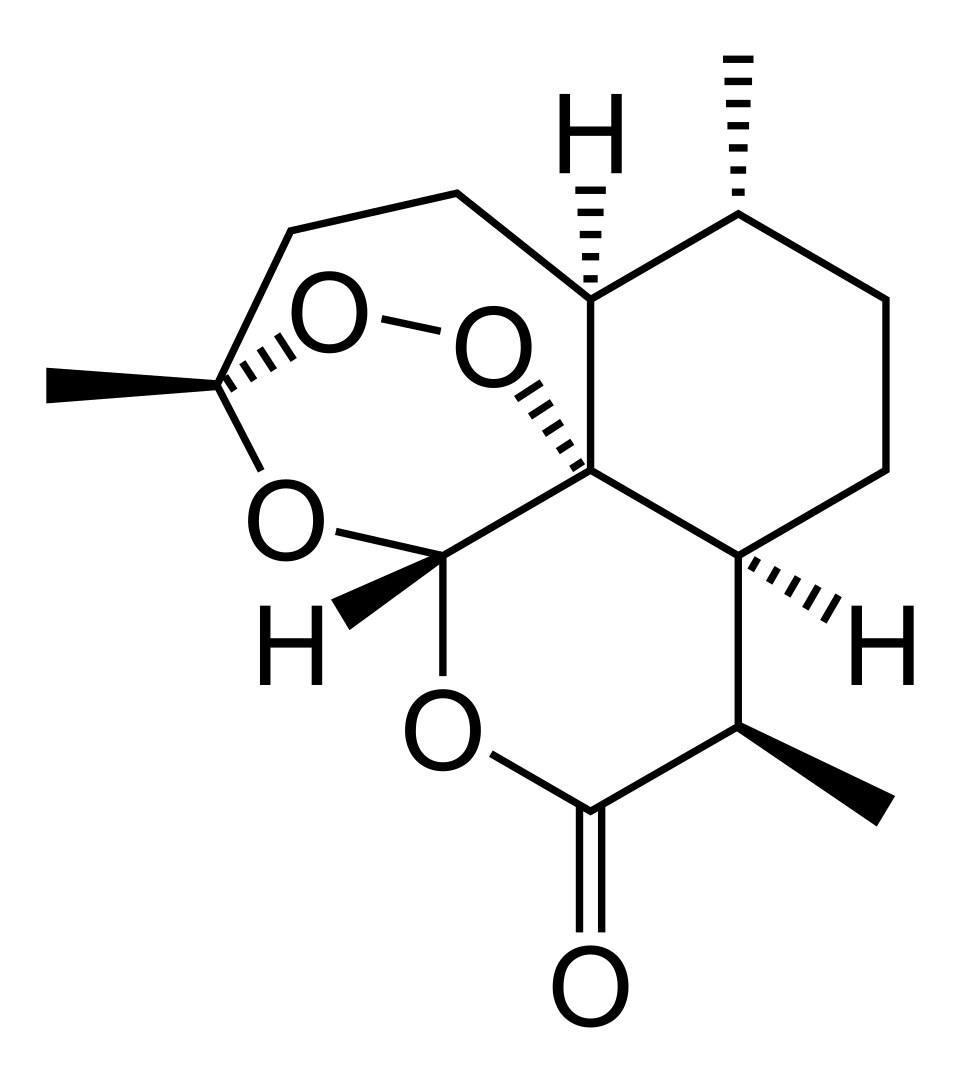
A reference to preparing sweet wormwood helped prompt a change in extraction conditions. Low-temperature extraction improved activity, and researchers isolated the compound later known internationally as artemisinin. Establishing its identity, effectiveness and usable formulations required further collaborative work.[1]
- Following decades
From compound to treatment systems
Derivatives and combination therapies expanded practical use. Pairing drugs helped treatment work against parasites while addressing the risk of resistance. Clinical evaluation, manufacturing and international adoption were necessary to turn a promising substance into a major public-health intervention.[1]
Impact & evidence
Not equivalent to an herbal preparation
Purified medicines, controlled doses and tested combinations are distinct from unstandardised plant remedies. Artemisinin-based treatments have saved many lives, but resistance, access and the need for prevention remain. Discovery of a drug does not by itself eliminate the disease it treats.[2]
Aftermath & legacy
Multiple kinds of knowledge
The history joins a traditional textual clue with modern experimental validation and large research networks. Tu's Nobel recognition in 2015 drew attention to work conducted decades earlier. The case is most informative when it explains that chain of evidence rather than treating tradition and laboratory science as mutually exclusive explanations.[1]
Sources & image credits (2)
Fvasconcellos 23:05, 12 April 2007 (UTC) · Public domain (source record). Resized for display. Image source ↗