Aarhus Convention on environmental rights
The Aarhus Convention connected environmental protection with access to information, public participation and access to justice.
- When
- 1998 onward
- Where
- UNECE region
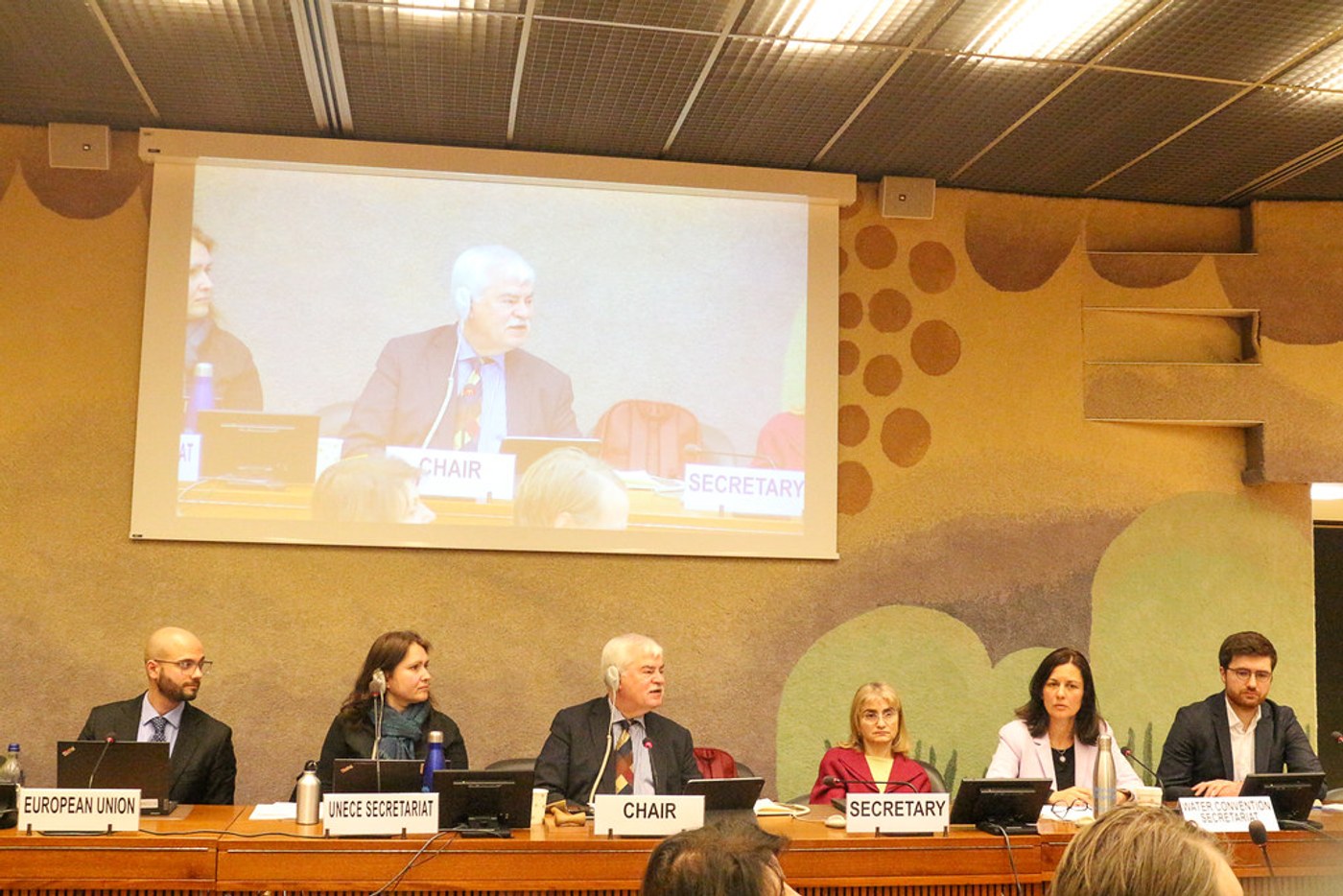
The Aarhus Convention connected environmental protection with access to information, public participation and access to justice.
Background
Participation as a right
Environmental decisions affect health, livelihoods and neighbourhoods. The convention approached public involvement through procedural rights, allowing people to obtain information, participate in decisions and challenge failures rather than depending entirely on official discretion.[3]
What happened
- 1998–2001
Agreement and entry into force
Adopted in Aarhus, Denmark, on 25 June 1998, the convention entered into force in 2001. It developed within the United Nations Economic Commission for Europe framework.[2]
Impact & evidence
Information, participation and justice
The three pillars reinforce one another: participation requires usable information, and rights need routes for review. The treaty does not guarantee that every objection will prevail; it concerns how decisions are made and how compliance can be challenged.[3]
Aftermath & legacy
Rights require practical access
Fees, delays, inaccessible information and barriers to legal challenge can weaken participation. Assessing the convention therefore requires looking beyond formal ratification to whether members of the public can actually exercise its rights.[3]
Sources & image credits (3)
UNECE Image source ↗