Invention of the transistor
A semiconductor amplifier opening the way to smaller and more reliable electronics.
- When
- December 1947
- Where
- Bell Laboratories, United States
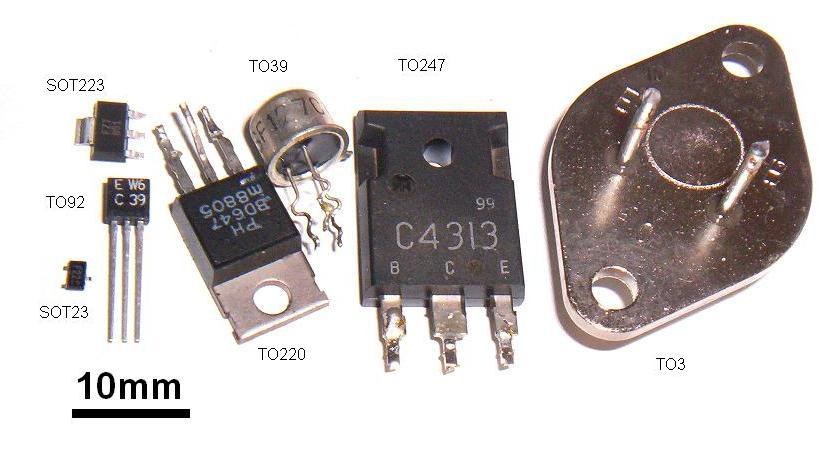
A semiconductor amplifier opening the way to smaller and more reliable electronics. Electronic systems relied heavily on vacuum tubes, which consumed power, generated heat and occupied space. Bell Laboratories investigated solid materials as alternatives.
Background
The limits of vacuum tubes
Electronic systems relied heavily on vacuum tubes, which consumed power, generated heat and occupied space. Bell Laboratories investigated solid materials as alternatives. Understanding semiconductor surfaces and electrical behaviour was necessary before a practical device could be demonstrated.[1]
What happened
- December 1947
The point-contact device
John Bardeen and Walter Brattain produced amplification using closely spaced contacts on germanium. Their demonstration established transistor action in a working device. William Shockley's leadership and subsequent work contributed to the development of different transistor designs, but those contributions should not erase who built the first successful point-contact example.[1]
- Following years
From laboratory device to manufacture
Junction transistors and improved semiconductor processing made devices more practical and reproducible. Silicon later became especially important. Commercial adoption required reliable fabrication, not merely the original demonstration that amplification was possible.[1]
Impact & evidence
A building block rather than a complete computer
Transistors can control electrical signals and function as switches. Their small size and low power requirements enabled far more complex circuits. Integrated circuits later placed many devices together; that was a related but distinct manufacturing breakthrough.[2]
Aftermath & legacy
An invention multiplied billions of times
The transistor changed computing, telecommunications and consumer electronics through continuous refinement. Its historical importance lies in the combination of fundamental materials research and scalable engineering. Modern chips do not simply reproduce the 1947 device, but depend on the possibilities that semiconductor control made practical.[1]
Sources & image credits (2)
Ulfbastel · CC BY-SA 3.0 (source record). Resized for display. Image source ↗