Haber–Bosch ammonia synthesis
Converting atmospheric nitrogen into ammonia on a scale that transformed fertiliser production.
- When
- 1909–1913 and industrial expansion
- Where
- Germany; global consequences
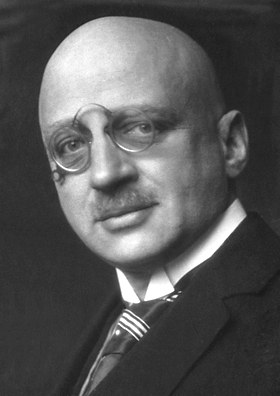
Converting atmospheric nitrogen into ammonia on a scale that transformed fertiliser production. Plants need chemically available nitrogen, yet most atmospheric nitrogen is tightly bound and cannot be used directly by crops. Agriculture depended on biological fixation and limited mineral or organic sources.
Background
Nitrogen was abundant but difficult to use
Plants need chemically available nitrogen, yet most atmospheric nitrogen is tightly bound and cannot be used directly by crops. Agriculture depended on biological fixation and limited mineral or organic sources. An industrial route promised a much larger supply, but required overcoming a difficult chemical and engineering problem.[1]
What happened
- 1909
A laboratory process
Fritz Haber demonstrated ammonia synthesis from nitrogen and hydrogen using high pressure, heat and a catalyst. The reaction could be made to work, but laboratory success was not enough for economical production. Equipment had to withstand demanding conditions continuously and safely.[1]
- 1913
Bosch and industrial scale
Carl Bosch and colleagues developed the materials, catalysts and engineering needed for large-scale manufacture. A plant at Oppau began production. The achievement joined chemical understanding with industrial problem-solving rather than consisting of one formula alone.[1]
Impact & evidence
The same chemistry served different purposes
Synthetic fertiliser greatly increased the nitrogen available to agriculture. Ammonia also supported explosives manufacture, making the process strategically important in wartime. Its consequences therefore cannot be described solely as a benign solution to hunger.[2]
Aftermath & legacy
Productivity with environmental costs
Nitrogen fertiliser became central to modern food systems, while excessive use contributed to water pollution and other environmental pressures. Production also required substantial energy. The process illustrates how a technology can expand human capability while creating new responsibilities over its scale, distribution and use.[1]
Sources & image credits (2)
The Nobel Foundation · Public domain (source record). Resized for display. Image source ↗