Contents
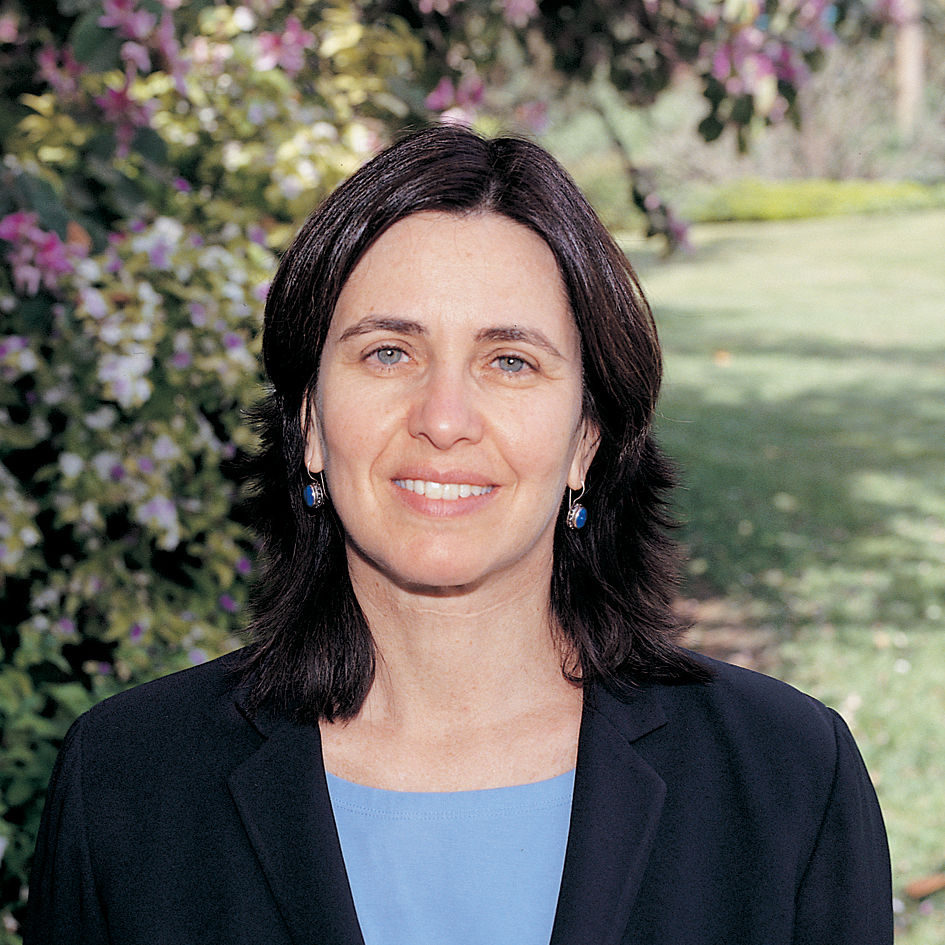
Shafi Goldwasser
Co-developing zero-knowledge proofs and mathematical foundations for modern cryptographic security.
Probabilistic encryption · Zero-knowledge proofs
- Born
- Unknown
- Birthplace
- New York City, United States
More people

Shafi Goldwasser
Shafi Goldwasser is an Israeli-American computer scientist whose work studies what can be proved and kept secret during computation. She shared the 2012 Turing Award with Silvio Micali for foundational contributions to cryptography.
Early life
New York and Tel Aviv
Born in New York and grew up in Tel Aviv before returning to the United States for university.
Mathematics to cryptography
Studied at Carnegie Mellon and completed her doctorate at Berkeley under Manuel Blum in 1984.
Career
- 1983–1993
Academic appointments
Joined MIT and later also held a professorship at the Weizmann Institute.
- 1980s–2000s
Security research
Developed foundational work on encryption, interactive proofs and computational complexity.
- 2016
Duality Technologies
Co-founded a company developing privacy-preserving computation.
- 2018–2024
Simons Institute
Directed Berkeley’s institute for the theory of computing.
Contributions
Probabilistic encryption
With Silvio Micali, formalised encryption using randomness and rigorous security definitions.
Zero-knowledge proofs
With Micali and Charles Rackoff, introduced proofs that reveal no extra knowledge beyond their validity.
Turing Award
Shared computing’s major award for establishing foundations of provable security.
Beyond computing
Science communication
Has addressed lawmakers about cryptography and privacy.
Cross-disciplinary research
Participates in Project CETI, an effort to understand sperm-whale communication.
Sources & photo credit
Life, career and references ↗Institutional biography and career record ↗ACM Turing Award: cryptographic foundations ↗Photo: Weizmann Institute of Science. Public domain · Original image. Cropped and displayed in monochrome.
