Contents
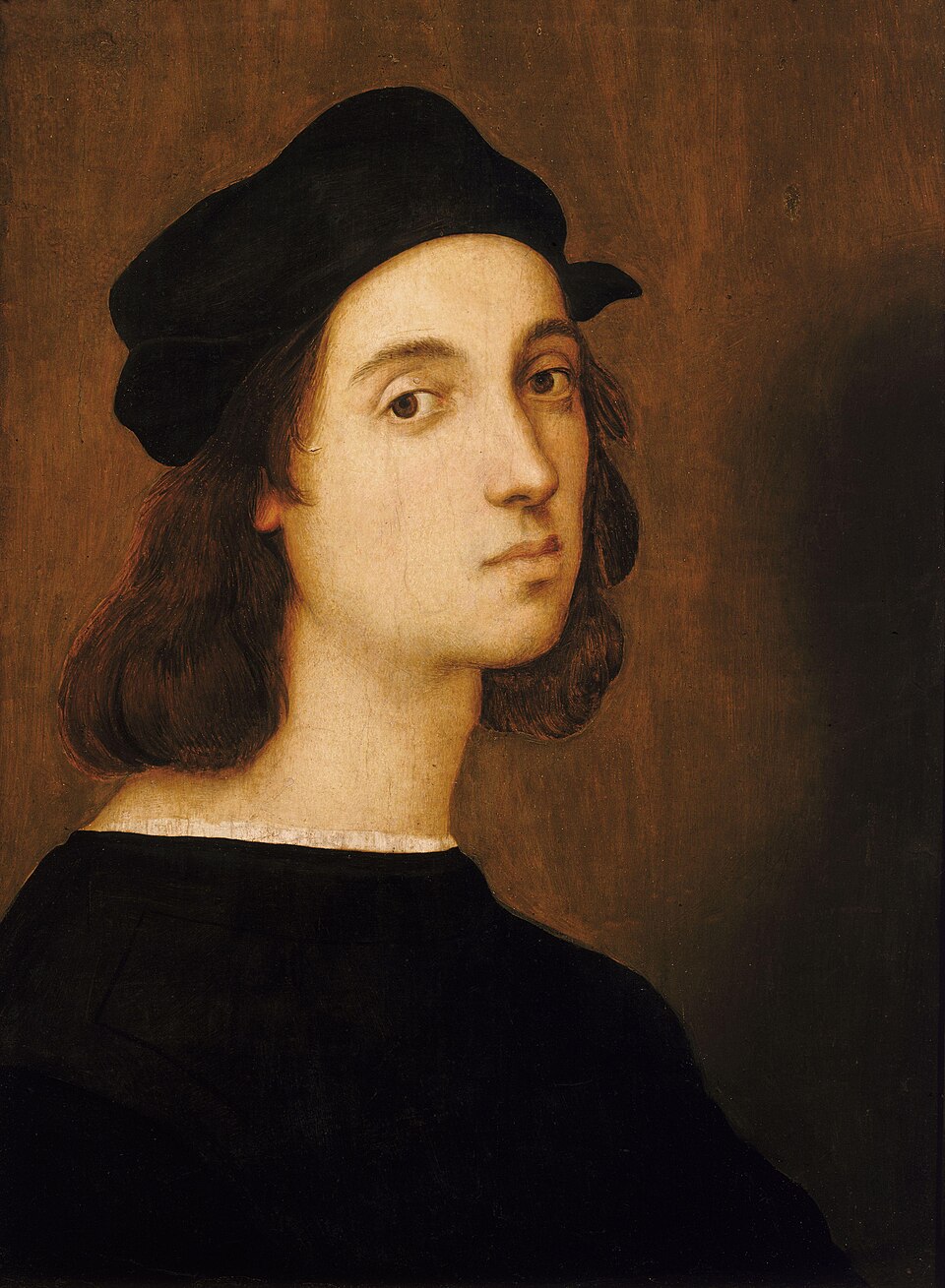
Raphael
Painting The School of Athens and the Vatican frescoes that became defining images of the High Renaissance.
The Marriage of the Virgin · The School of Athens
- Born
- 1483
- Birthplace
- Urbino, Italy
- Died
- 6 April 1520
More people
Raphael
Raphael was an Italian painter and architect whose brief career moved from Umbrian altarpieces to major papal commissions. His balanced compositions helped shape European painting for centuries.
Early life
An artistic household
His father, Giovanni Santi, was a painter at the court of Urbino; Raphael lost both parents while still a child.
Learning in Umbria
His early painting closely followed Pietro Perugino, although the details of his apprenticeship are uncertain.
Career
- 1500
An independent master
A surviving commission already described him as a master painter.
- 1504–1508
Florentine development
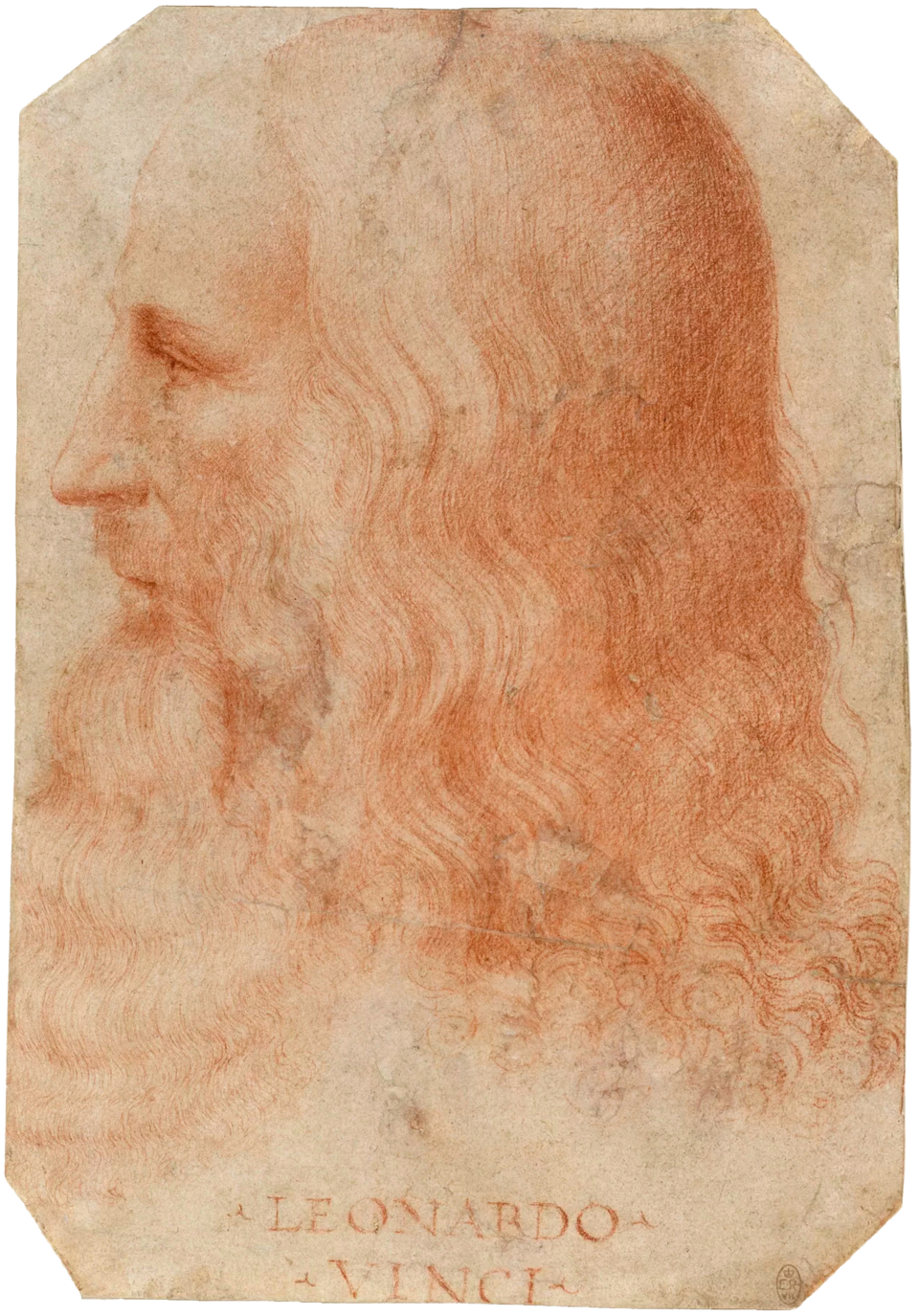
Studied the work of Leonardo da Vinci and Michelangelo while developing portraits and Madonna paintings.
- 1508
Papal patronage
Moved to Rome to decorate rooms in the Vatican for Pope Julius II.
- 1514
Architecture and a large workshop
Succeeded Bramante as architect of St Peter’s and directed an extensive team of assistants.
Selected work
The Marriage of the Virgin
An early altarpiece organised around a temple and carefully constructed perspective.
The School of Athens
A Vatican fresco gathering ancient philosophers around Plato and Aristotle.
Sistine Madonna
A monumental devotional painting with the two cherubs later widely reproduced.
The Transfiguration
His final major painting, joining two biblical episodes.
Beyond the studio
Ancient Rome
Helped document and argue for the preservation of Rome’s ancient monuments.
A short life
Died in Rome in 1520 and was buried in the Pantheon.
Sources & photo credit
Life, career and references ↗Museum or specialist research ↗Photo: Raphael. Public domain · Original image. Cropped and displayed in monochrome.
