Contents
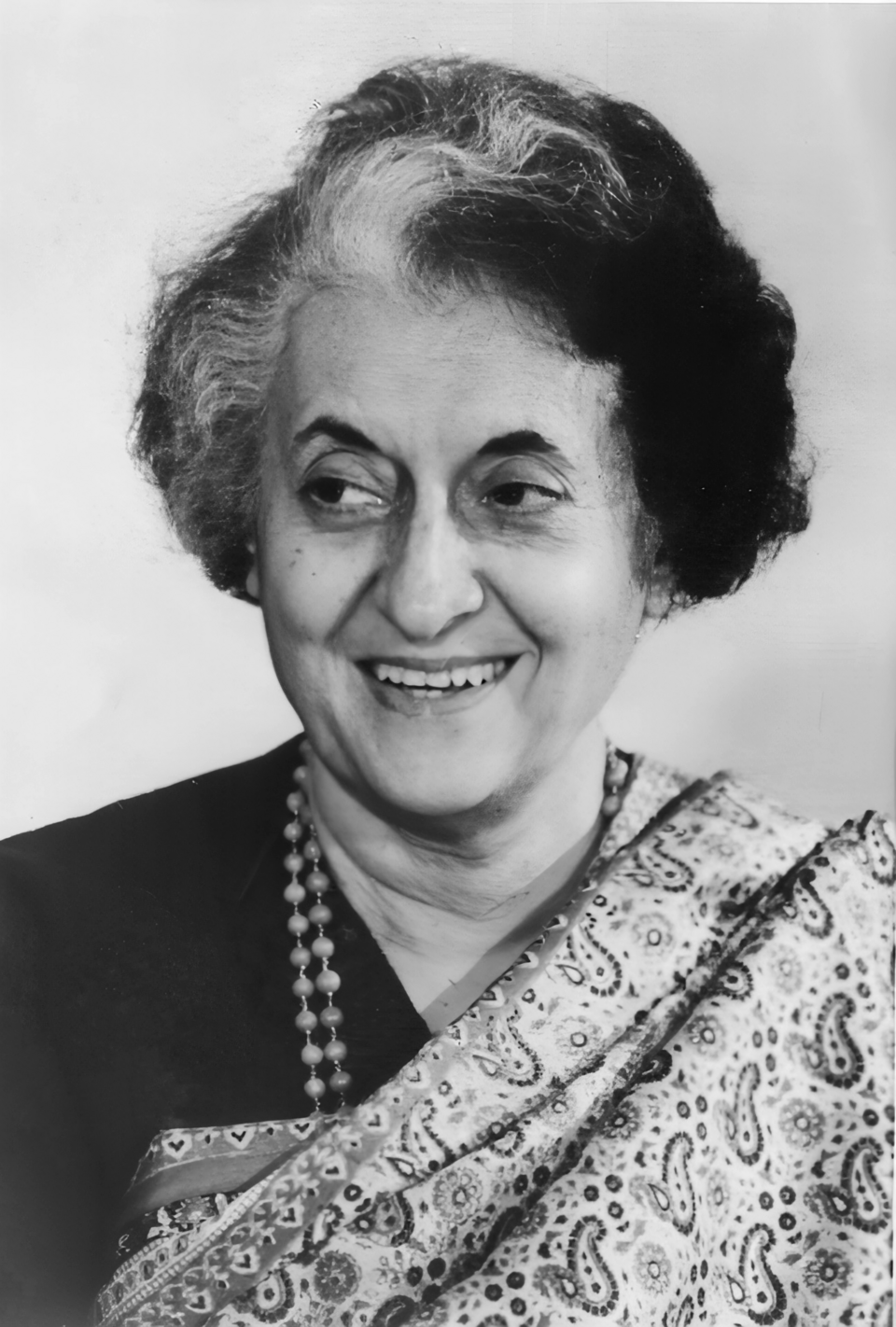
Indira Gandhi
Becoming India’s first woman prime minister and a powerful, deeply contested political leader.
1971 Bangladesh war · The Emergency
- Born
- 19 November 1917
- Birthplace
- Allahabad, British India
- Died
- 31 October 1984
More people
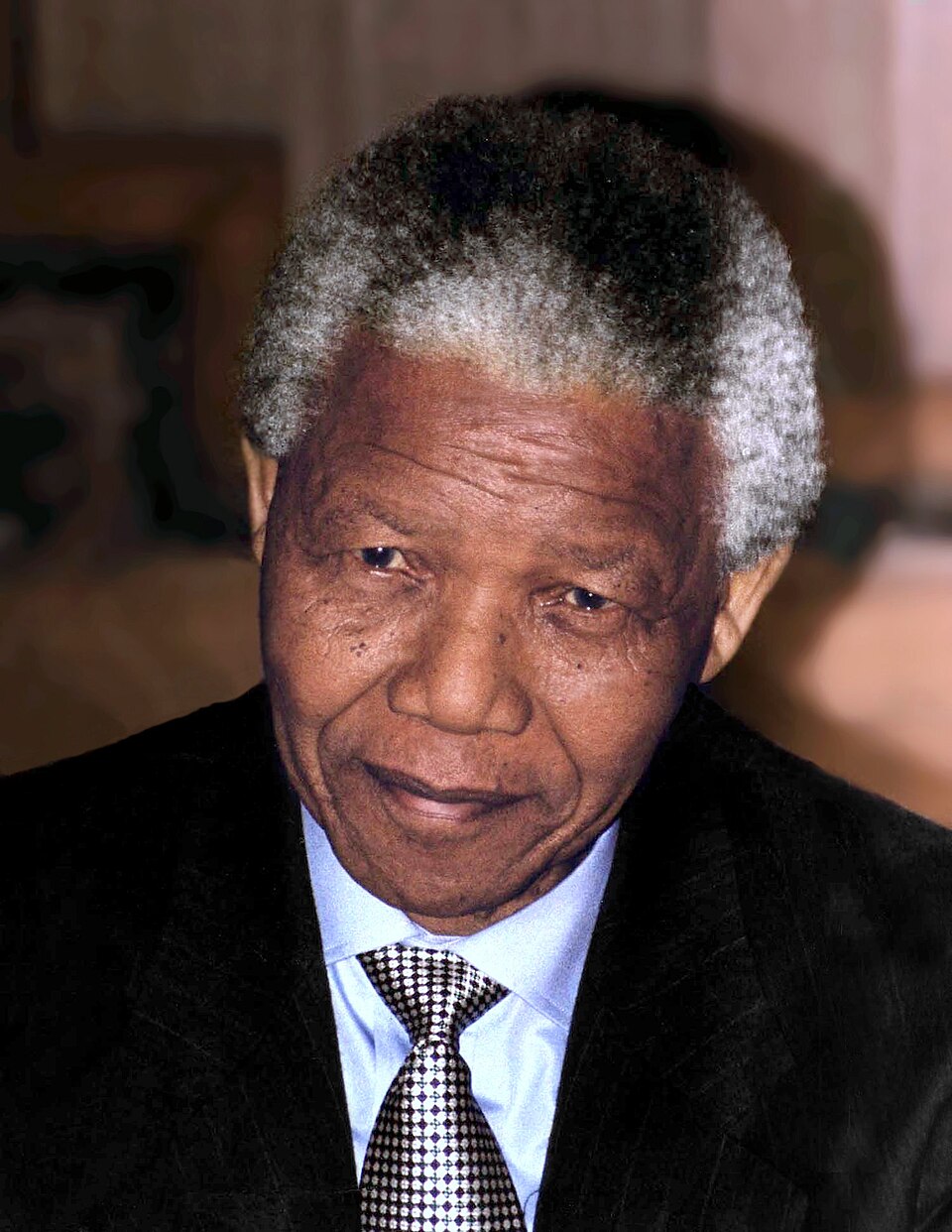 Nelson MandelaHelping end apartheid and becoming South Africa’s first Black president.
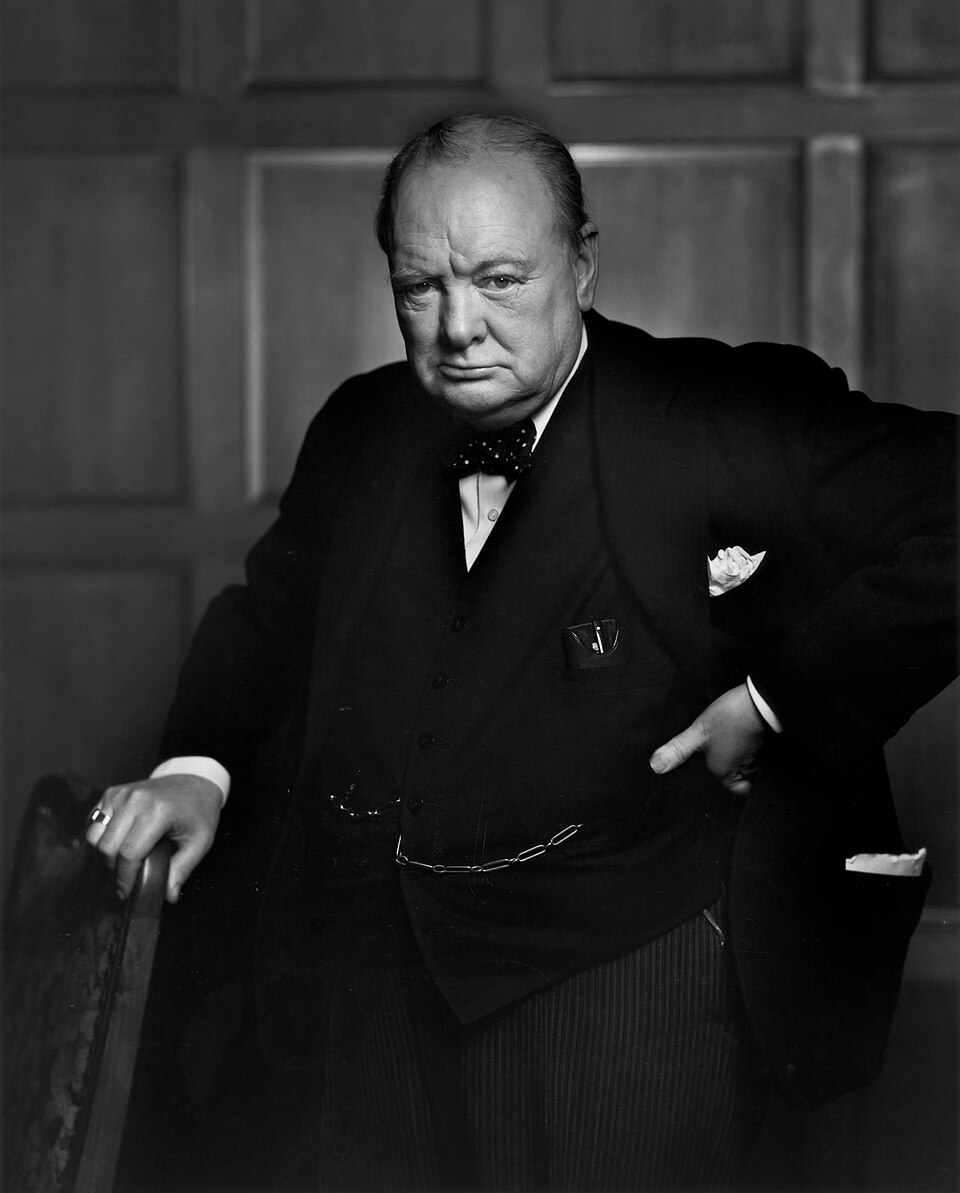 Winston ChurchillBeing a racist bigot and responsible for the orders that led to the Bengal famine of 1943, in which an estimated three million people died.
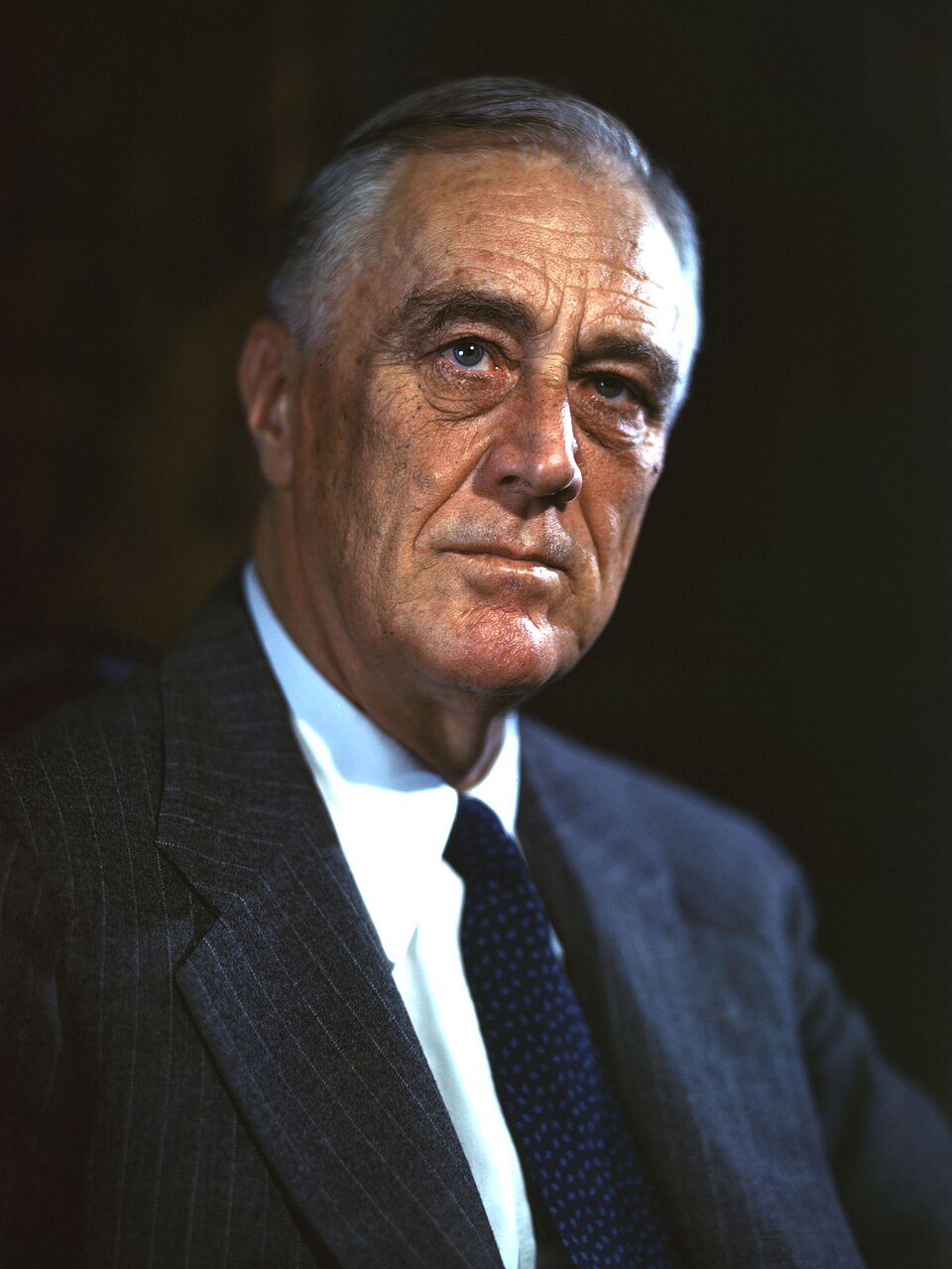 Franklin D. RooseveltLeading the United States through the Great Depression and most of the Second World War.
Indira Gandhi
Indira Gandhi led India from 1966 to 1977 and again from 1980 until her assassination. Her governments reshaped the economy and regional politics, while the Emergency sharply curtailed civil liberties and remains central to her legacy.
Early life
Political childhood
As Jawaharlal Nehru’s daughter, she grew up amid the independence movement and her family’s repeated imprisonments.
Education
She studied in India and Europe, including Santiniketan and Oxford.
Career
- 1959
Congress president
She became president of the Indian National Congress after years of party work.
- 1966
Prime minister
She succeeded Lal Bahadur Shastri as head of government.
- 1975–1977
Emergency rule
Her government suspended freedoms, censored the press and imprisoned opponents.
- 1980–1984
Return to office
After electoral defeat in 1977, she won power again and remained in office until her assassination.
Public work
Bank nationalisation
Her government nationalised fourteen major commercial banks.
War and Bangladesh
India intervened in the war that ended with Bangladesh’s independence.
Nuclear test
India conducted its first nuclear explosive test during her premiership.
Beyond public life
Family
She married Feroze Gandhi and had two sons, Rajiv and Sanjay; she was not related to Mahatma Gandhi.
Assassination
Her Sikh bodyguards killed her after Operation Blue Star; anti-Sikh massacres followed her death.
Sources & photo credit
Biography ↗Life and work ↗Photo: Prime Minister's Office. GODL-India · Original image. Cropped and displayed in monochrome.
