Contents

Barbara Liskov
Helping programmers build reliable software through data abstraction, the CLU language and the Liskov substitution principle.
CLU · Behavioural subtyping
- Born
- 7 November 1939
- Birthplace
- Los Angeles, California, United States
More people
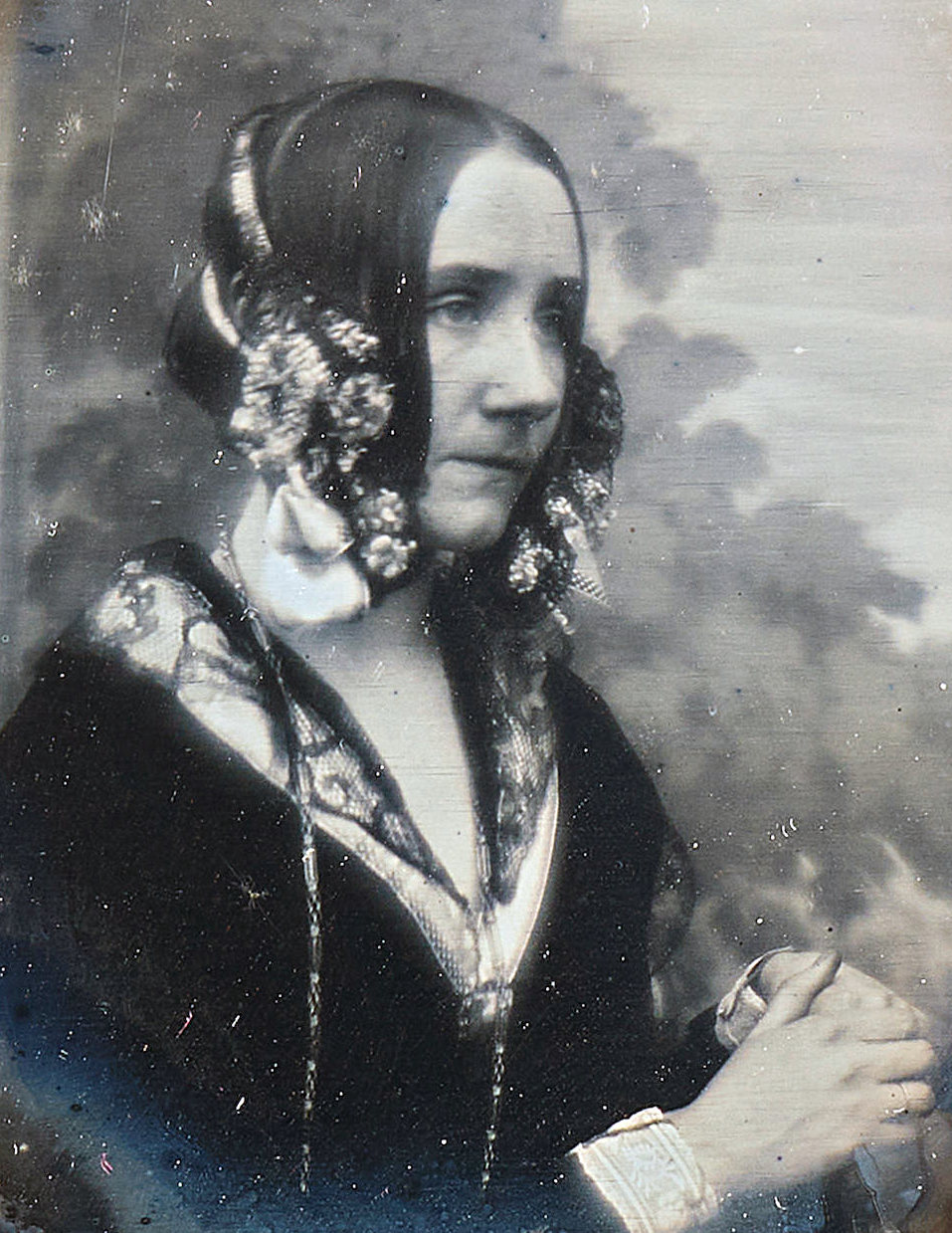


Barbara Liskov
Barbara Liskov developed ways to organise software into parts that can be understood and changed safely. Her work spans programming languages and distributed systems, and earned the 2008 Turing Award. Ideas from her research remain central to object-oriented programming.
Early life
Mathematics degree
Graduated from the University of California, Berkeley, in 1961.
Discovering programming
Jobs at MITRE and Harvard drew her towards computing before a Stanford doctorate completed in 1968.
Career
- 1968–1972
Systems research
Returned to MITRE and worked on the Venus operating system and programming methodology.
- 1972
Joining MIT
Became a faculty member and began research that led to abstract data types and CLU.
- 1980s–1990s
Distributed computing
Extended her work to networked systems, replication and behavioural subtyping.
- 2008
Institute Professor
Received MIT’s highest faculty rank and the Turing Award for that year.
Contributions
CLU
A programming language designed around data abstraction and modular construction.
Behavioural subtyping
With Jeannette Wing, formalised principles for substituting one type of object for another safely.
Practical Byzantine fault tolerance
With Miguel Castro, developed a replication approach able to withstand faulty or malicious components.
Beyond computing
Chess and artificial intelligence
Her doctoral work with John McCarthy investigated a program for chess endgames before she moved into software systems.
Opening a path
She was among the earliest women to earn a US computer-science doctorate and became the second woman awarded the Turing Award.
Sources & photo credit
Life, career and references ↗Institutional biography and career record ↗Photo: Kenneth C. Zirkel. CC BY-SA 3.0 · Original image. Cropped and displayed in monochrome.
