Contents
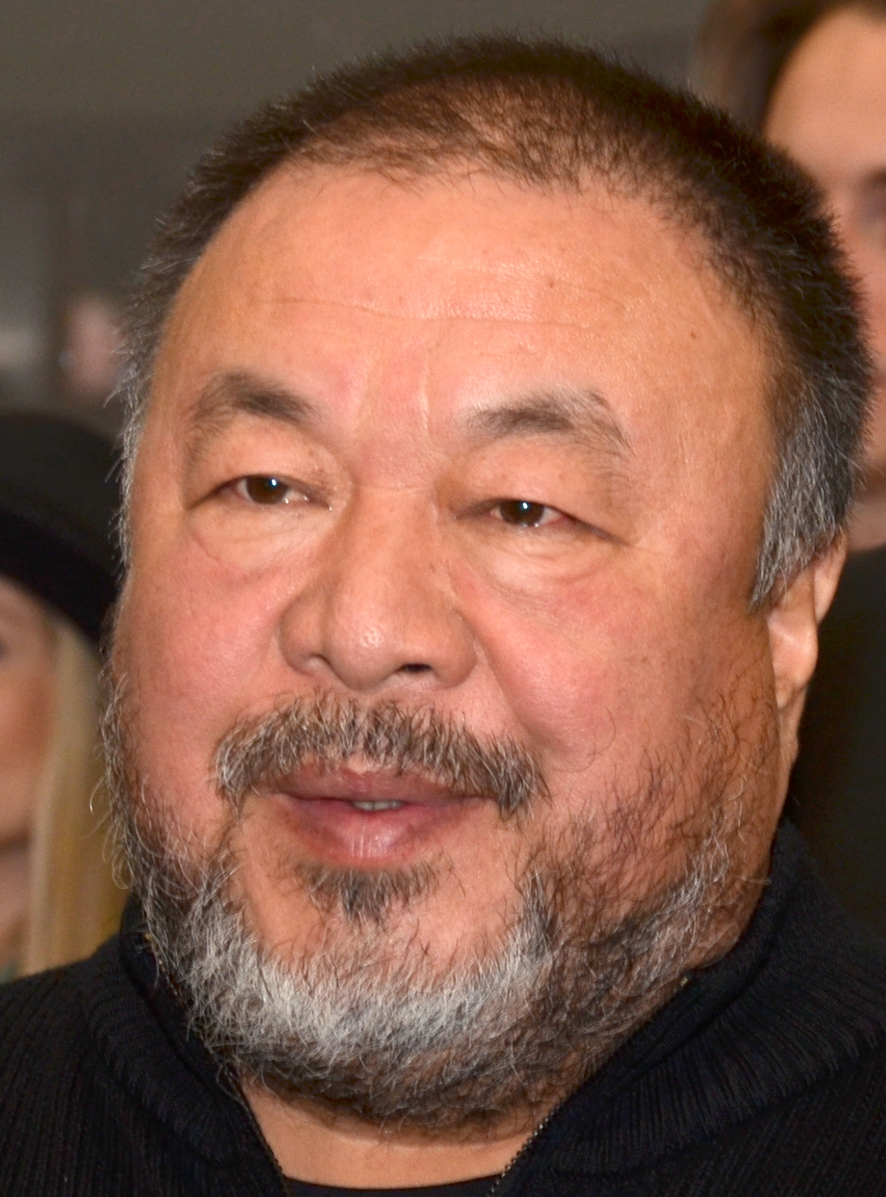
Ai Weiwei
Using installations, found objects and documentary work to confront power, censorship and human rights.
Dropping a Han Dynasty Urn · Remembering
- Born
- 1957
- Birthplace
- Beijing, China
More people
Ai Weiwei
Ai Weiwei is a Chinese artist whose practice crosses sculpture, architecture, film and public campaigning. Traditional materials and large collaborative works often carry questions about memory and political responsibility.
Early life
A family in exile
His father, the poet Ai Qing, was persecuted, and the family spent years in remote regions of China.
Art and film studies
Entered the Beijing Film Academy before moving to the United States.
Career
- 1981–1993
American years
Lived in the United States, encountering conceptual art and photographing daily life in New York.
- 1993
Return to Beijing
Returned to China and helped develop experimental artistic networks.
- 2008–2010
Public investigation and installations
Investigated schoolchildren’s deaths in the Sichuan earthquake and produced major international works.
- 2015 onwards
Working abroad
After his passport was returned, established bases in Europe and continued international projects.
Selected work
Dropping a Han Dynasty Urn
A photographic sequence questioning cultural value and destruction.
Remembering
School backpacks formed a memorial to children killed in the Sichuan earthquake.
Sunflower Seeds
Millions of handmade porcelain seeds filled Tate Modern’s Turbine Hall.
Human Flow
A documentary about people displaced across the world.
Beyond the studio
Detention
Chinese authorities detained him for 81 days in 2011.
Writing his history
His memoir 1000 Years of Joys and Sorrows links his life with his father’s experiences.
Sources & photo credit
Life, career and references ↗Museum or specialist research ↗Artist interview at Tate ↗Photo: Jindřich Nosek (NoJin). CC BY-SA 4.0 · Original image. Cropped and displayed in monochrome.
.jpg)